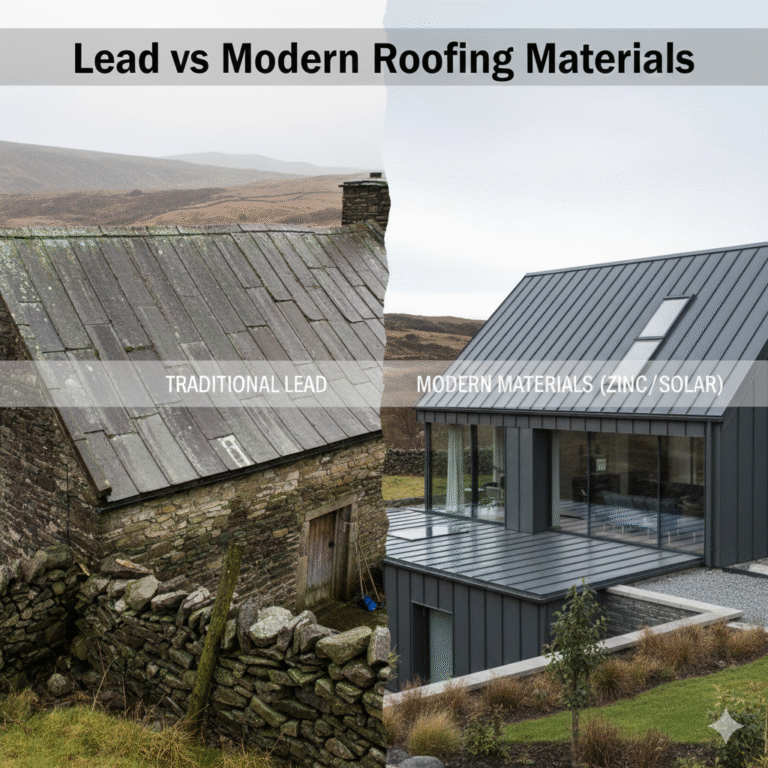
Your roof is one of the most important parts of your home, yet it’s often overlooked until problems arise. In Cumbria, a region known for its mix of traditional stone cottages, terraced homes, and modern builds, understanding the different types of roofs is essential. From pitched and flat roofs to popular materials like slate, concrete, clay, and metal, each option has its own advantages and considerations. Choosing the right roof for your property can make all the difference in performance, durability, and aesthetics, especially when factoring in the unique weather challenges of the Lake District and surrounding areas.
Cumbria’s unpredictable climate plays a huge role in how roofs age and perform. Heavy rainfall, strong winds, snow, frost, and moss buildup can all affect roof lifespan and structural integrity. Being able to identify the early signs of damage such as leaks, broken tiles, or sagging rooflines helps homeowners decide whether a repair or full replacement is necessary. Understanding the costs involved, along with budgeting for emergency repairs, ensures you are prepared when issues arise, while selecting the right materials and maintenance routines can significantly extend the life of your roof.
Choosing a reliable, certified roofer and knowing how to maintain and protect your roof are crucial steps for Cumbria homeowners. Regular inspections, gutter cleaning, moss prevention, and timely minor repairs can prevent larger, more expensive problems. Beyond protection, a well-maintained roof can also improve energy efficiency and potentially qualify for grants or insurance coverage for repairs. By knowing the typical lifespan of different roofing materials and avoiding common mistakes, you can ensure your roof remains strong, weatherproof, and secure for years to come, giving you peace of mind through Cumbria’s ever-changing weather.
What Types of Roofs are Common in Cumbria?
Cumbria’s housing stock includes a mix of traditional stone cottages, terraced houses, semi-detached homes, post-war properties, and modern new builds. The type of roof often depends on the property style, age, and location. Broadly, you’ll find pitched roofs and flat roofs.
What is a Pitched Roof and Where is it Used?
A pitched roof is sloped, typically in an ‘A’ shape, allowing rainwater and snow to run off easily. This type is most common on traditional cottages, terraced homes, and semi-detached houses. Pitched roofs are highly effective for Cumbria’s wet climate and are usually finished with materials like slate, clay, or concrete tiles.
What is a Flat Roof and Where is it Used?
Flat roofs have little to no slope and are commonly found on modern builds, extensions, garages, or commercial properties. While aesthetically appealing and cost-effective, flat roofs require careful waterproofing and drainage to prevent water pooling, especially in areas like Cumbria that receive frequent rainfall.
What Roofing Materials are Commonly Used in Cumbria?
The choice of material influences durability, cost, and performance in local weather conditions. The most common roofing materials include:
Slate Roofs – Advantages and Disadvantages
Advantages:
Extremely durable, lasting 80–100 years or more.
Naturally waterproof and resistant to wind.
Classic aesthetic, ideal for historic cottages.
Disadvantages:
High upfront cost.
Requires skilled installation.
Can be heavy, needing strong roof structures.
Concrete Tiles – Advantages and Disadvantages
Advantages:
Affordable and widely available.
Resistant to frost and wind damage.
Low maintenance compared to clay.
Disadvantages:
Can be prone to colour fading over time.
Heavier than some alternatives, requiring sturdy roof frames.
Clay Tiles – Advantages and Disadvantages
Advantages:
Long lifespan (up to 60–80 years).
Attractive, traditional appearance.
Naturally fire-resistant and low maintenance.
Disadvantages:
Fragile; can break under impact.
Higher initial cost than concrete.
Not ideal for very steep roofs without professional installation.
Metal Roofs – Advantages and Disadvantages
Advantages:
Lightweight and durable.
Long lifespan (40–70 years) and recyclable.
Quick installation; resistant to fire and moss.
Disadvantages:
Can be noisy in heavy rain unless insulated.
Initial cost higher than concrete.
Requires careful installation to prevent corrosion.
How Does Cumbria’s Weather Affect Your Roof?
Cumbria is famous for its stunning landscapes, but its weather can be extremely challenging for roofs. The combination of heavy rainfall, strong winds, prolonged dampness, moss growth, frost, and snow places constant stress on roofing materials and structures. Over time, these conditions can shorten your roof’s lifespan, increase maintenance needs, and, if neglected, lead to costly repairs. Understanding how each element affects your roof is essential for protecting your home.
How Does Heavy Rainfall Impact Roof Lifespan?
Cumbria experiences some of the highest rainfall levels in England, particularly in the Lake District and coastal areas. Persistent rain can infiltrate even minor cracks or damaged tiles, leading to water leaks. Over time, this moisture can cause timber rot in roof battens and rafters, weakening the structural integrity of your roof. In addition, water can deteriorate underlayments and felt layers, which are critical for preventing leaks.
Blocked or poorly maintained gutters and downpipes exacerbate the problem. When rainwater cannot drain properly, it pools on the roof or overflows along walls, accelerating decay in eaves, fascia boards, and gutter joints. For older stone cottages or period properties, this can even affect interior plasterwork, leading to damp patches inside the home. Regular inspections and cleaning of gutters, along with timely repair of any damaged tiles, are vital steps in mitigating the effects of heavy rainfall.
How do Strong Winds Affect Roof Structure?
Strong winds are a common occurrence in Cumbria, especially in exposed hilltop or coastal areas. High winds can lift individual tiles or slates, damage ridge caps, and even strip off flashing around chimneys, valleys, or roof edges. This not only leaves the roof vulnerable to rainwater penetration but can also destabilise the roof frame over time.
Older roofs or those installed with substandard materials are particularly at risk. For example, timber battens may loosen, or nails and fixings may fail, increasing the likelihood of tiles being displaced during storms. Even roofs in good condition can suffer if gusts are particularly strong, so securing loose or ageing tiles and checking the integrity of ridge and hip tiles before the storm season is a recommended precaution.
How Does Moss and Dampness Affect Roofing Materials?
Moss, algae, and lichen are a persistent issue in Cumbria due to the combination of high rainfall, shade from surrounding hills or trees, and cool temperatures. Moss acts like a sponge, holding water against the roof surface. Over time, this moisture accelerates timber rot in battens and eaves and can lead to the gradual degradation of tiles or slates.
Damp conditions can also encourage algae and lichen growth, which may appear as black streaks or green patches across the roof. These organisms not only affect the roof’s appearance but can trap moisture, slowly weakening mortar on ridge tiles and joints. If left unchecked, moss and algae can cause leaks, structural damage, and even contribute to ice formation in winter by retaining water on the roof surface. Regular roof cleaning and moss treatment are essential, particularly for older, shaded properties.
How Does Snow and Frost Impact Toof Durability?
Snow and frost are a seasonal challenge for Cumbria, particularly in higher altitude areas or during harsh winters. Heavy snow accumulations add significant weight to roof structures, which can stress older timber frames and cause sagging if the load exceeds structural limits.
Frost and freeze-thaw cycles are particularly damaging to tiles and slates. Water trapped in small cracks or under tiles expands as it freezes, causing tiles to crack or mortar joints to fracture. Repeated freezing and thawing over the winter can gradually open gaps in roofing materials, making the roof more vulnerable to water penetration when temperatures rise. For pitched roofs, this can lead to ice dams along eaves, preventing proper drainage and further increasing the risk of leaks.
Proactive maintenance, including removing accumulated snow where safe, inspecting for cracked tiles, and ensuring effective insulation and ventilation, can significantly reduce frost-related damage.
How to Know if Your Roof Needs Repair or Replacement?
Your roof is one of the most critical parts of your home, yet it is easy to forget until problems arise. In Cumbria, where heavy rainfall, strong winds, and frost are common, regular monitoring is essential to prevent minor issues from escalating into costly repairs or even structural damage. By learning to spot early warning signs and understanding when to repair versus replace, you can protect your home, prolong your roof’s lifespan, and avoid unnecessary expenses.
What are the Common Signs of Roof Damage?
Being aware of visible and less obvious signs of roof damage is key to timely intervention. Here are the most common issues that Cumbria homeowners should watch for:
Leaks and Water Stains Inside the House
Water stains on ceilings, walls, or around windows often indicate that moisture is penetrating your roof. In Cumbria’s damp climate, even small leaks can cause timber rot, weaken plaster, and promote mould growth inside your home. Check areas around chimneys, roof valleys, and skylights, as these are common points for water ingress.
Broken or Missing Tiles/Slates
Tiles or slates that are cracked, chipped, or completely missing create gaps in the roof covering, leaving your property vulnerable to rain, wind, and frost damage. Strong winds in Cumbria can quickly dislodge loose tiles, so it’s important to inspect your roof after storms and replace any damaged or missing pieces promptly.
Sagging or Uneven Rooflines
A sagging or uneven roofline is often a sign of structural issues, such as weakened timber, rotting rafters, or overloaded roof joists. This type of damage can compromise the integrity of your roof and may require immediate attention from a certified roofer to prevent collapse or further deterioration.
Moss, Algae, or Lichen Buildup
Excessive growth of moss, algae, or lichen traps moisture on roof surfaces, which accelerates tile deterioration and can weaken mortar on ridge tiles. Cumbria’s damp and shaded areas make this problem particularly common. While minor growth can often be managed, heavy infestations can cause leaks and structural issues if left untreated.
When is it Better to Repair Rather than Replace?
Not all roof issues require a full replacement. Minor problems, such as a few broken tiles, small leaks, loose flashing, or limited moss buildup, can often be repaired effectively. Repairing rather than replacing is typically quicker, less expensive, and allows you to extend the life of your existing roof. Regular maintenance, such as cleaning gutters, re-securing tiles, and treating moss, can prevent small issues from worsening.
When is Full Roof Replacement Recommended?
Full roof replacement becomes necessary when:
The roof is approaching or has exceeded its expected lifespan.
There is extensive or repeated damage from leaks, storms, or frost.
Structural elements like timber battens or rafters are compromised.
Roofing materials have deteriorated significantly, making repairs insufficient.
For older stone cottages or post-war homes in Cumbria, replacement may also be the best long-term investment to improve energy efficiency, weatherproofing, and overall property value. Consulting a local roofing expert like Westmorland Roofing can help you determine whether repair or replacement is the most appropriate solution.
What is the Cost of Roof Repair or Replacement in Cumbria?
The cost of repairing or replacing a roof in Cumbria can vary widely depending on the size of the property, the type of roofing materials used, the roof’s complexity, and the condition of the existing structure. Traditional cottages in the Lake District with pitched slate roofs will typically incur higher costs than modern builds with flat roofs or concrete tiles. Understanding the factors that influence costs can help homeowners plan their budgets effectively and avoid unexpected expenses.
What Factors Affect Roof Repair Costs?
Several elements influence the cost of repairing a roof in Cumbria:
Extent of Damage: Minor repairs, such as replacing a few broken tiles or fixing flashing, are far less expensive than extensive damage caused by storms, heavy rainfall, or structural issues.
Roof Accessibility: Roofs that are steep, high, or difficult to access may require scaffolding or specialist equipment, adding to labour costs.
Material Matching and Availability: Finding matching tiles or slates, especially for older or heritage properties, can increase costs. Rare or reclaimed materials may be more expensive.
Labour Rates in Cumbria: Local labour costs can vary depending on the roofer’s experience, certifications, and proximity to the property. Hiring a skilled, accredited local roofer ensures high-quality work but may come at a slightly higher price.
What Factors Affect Roof Replacement Costs?
Replacing an entire roof involves more than just materials and labour. Key factors include:
Roof Size and Pitch: Larger roofs or steeply pitched roofs require more materials and more time to complete, increasing the overall cost.
Choice of Material: Slate, clay, concrete, and metal each vary in price, with slate and clay typically being the most expensive due to durability and longevity.
Structural Reinforcements if Needed: Older properties may require timber repairs, strengthening of roof joists, or additional underlay, which adds to the cost.
Removal and Disposal of Old Materials: Taking off old tiles or slates and disposing of them safely is a labour-intensive process and adds to the overall expenditure.
How to Budget for Emergency Roof Repairs?
Cumbria’s unpredictable weather makes emergency repairs a common necessity. Storm damage, fallen trees, or sudden leaks can occur without warning. Setting aside a contingency fund of £500–£1,500 allows homeowners to address these emergencies promptly without financial strain. This fund should cover temporary fixes, call-out fees, or urgent replacement of damaged tiles, flashing, or gutters until a full repair or replacement can be arranged.
How to Choose the Right Roofing Material for Your Cumbrian Home?
Selecting the right roofing material is one of the most important decisions for Cumbria homeowners. Your choice will affect your roof’s longevity, ability to withstand harsh local weather, maintenance requirements, and the overall look of your property. With a wide range of options available, understanding the strengths and limitations of each material will help you make an informed decision that balances durability, aesthetics, and cost.
Which Roofing Material Suits Cumbrian Weather Best?
Cumbria’s weather is characterised by heavy rainfall, strong winds, frost, and occasional snow, so durability and weather resistance are key considerations:
Slate Tiles: Slate is the traditional choice for many cottages and historic homes in Cumbria. It is extremely durable, waterproof, and wind-resistant, making it ideal for the region’s wet and windy conditions. High-quality slate can last 80–100 years, but it requires professional installation and can be costly.
Concrete Tiles: Concrete tiles are a practical and cost-effective alternative to slate. They perform well under heavy rain and frost, are relatively low maintenance, and suit both modern and period properties. While slightly heavier than slate, they are easier to source and replace.
Clay Tiles: Clay tiles offer a classic, traditional aesthetic that complements stone cottages and heritage properties. They are durable and weather-resistant but more fragile than concrete or slate. Correct installation is essential, especially on steep roofs, to prevent cracking during frost or high winds.
Metal Roofs: Metal roofing is increasingly popular for modern homes and extensions. It is lightweight, durable, resistant to moss and algae, and quick to install. Metal roofs are also highly effective against wind damage but may require insulation to reduce noise during heavy rain.
Choosing the right roofing material for your Cumbrian home involves balancing durability, aesthetics, and maintenance requirements, while also considering your property’s style, location, and exposure to harsh weather. Consulting an experienced local roofer can ensure your choice is practical, long-lasting, and compliant with local building standards.
How to Balance Durability and Aesthetics
When choosing a roofing material, it’s important to consider the style of your property and the surrounding environment:
Property Style: Traditional stone cottages often look best with natural slate or clay tiles, whereas modern builds can accommodate concrete or metal for a sleeker finish.
Heritage Considerations: If your home is listed or in a conservation area, local heritage rules may dictate approved materials, particularly for slate or clay.
Long-Term Maintenance: Choose a material that aligns with the time and budget you can dedicate to upkeep. For example, slate requires minimal cleaning but must be checked for cracks, whereas clay may need more frequent inspection and replacement of damaged tiles.
What are the Maintenance Requirements for Each Material?
Slate & Clay: Inspect roofs at least annually, ideally in spring or autumn. Remove moss and debris, and replace any damaged tiles promptly to prevent water ingress. Check ridge tiles and flashing for signs of wear.
Concrete: Regularly clean gutters and downpipes to prevent water buildup. Inspect tiles for cracks or chipping, particularly after storms. Concrete tiles are generally low maintenance but still benefit from routine checks.
Metal: Examine for signs of corrosion, particularly at seams, joints, and around fastenings. Ensure flashing and overlaps remain secure. While metal roofs are low-maintenance, periodic inspections will extend their lifespan and prevent leaks.
How to Choose a Reliable Roofer in Cumbria?
Hiring a trustworthy, experienced roofer is essential for ensuring your roof is installed or repaired correctly, safely, and in compliance with local standards. With Cumbria’s challenging weather, poor workmanship can lead to leaks, structural damage, or premature failure of roofing materials.
What Certifications and Licenses Should a Roofer Have?
When hiring a roofer, always check for:
FENSA Certification: Confirms compliance with building regulations, particularly for roofing windows or related installations.
NFRC Membership: Shows the roofer adheres to professional standards and industry best practices.
TrustMark Accreditation: Indicates a vetted and reliable tradesperson.
Public Liability Insurance: Protects you from liability if accidents occur during the work.
How to Check Past Work and Customer Reviews?
Ask for References: Speak with previous clients, ideally in Cumbria, to understand the roofer’s quality and reliability.
View Portfolios: Check completed projects to see the roofer’s experience with your type of roof, slate, clay, concrete, or metal.
Check Local Reviews: Platforms like Google Reviews, Checkatrade, or local Facebook groups provide insight into customer satisfaction and reliability.
How to Compare Quotes Effectively?
When comparing quotes:
Ensure all costs are included, labour, materials, scaffolding, and VAT.
Compare warranties and guarantees, not just price, to protect yourself against future issues.
Review the timeline for completion to ensure it fits with your needs and avoids extended exposure to Cumbria’s harsh weather.
How to Spot a Bad Roofing Job in Cumbria?
Even with a reputable roofer, it’s important to identify warning signs of poor workmanship. Spotting the following issues early allows homeowners to address problems before serious damage occurs, ensuring their roof remains durable and weatherproof.
Uneven or misaligned tiles/slates: Can allow water ingress and wind damage.
Inconsistent or missing flashing: Flashing protects joints around chimneys, valleys, and roof edges, improper installation leads to leaks.
Poor gutter and downpipe connections: Water pooling or overflowing gutters indicate incorrect fitting.
Visible gaps in ridge or hip tiles: Can weaken the roof structure and allow pests or moisture in.
Lack of safety measures: Missing scaffolding or unsecured work areas is a red flag, especially for steep or high roofs.
What Maintenance Routines Prolong Your Cumbrian Roof’s Life?
Regular roof maintenance is the key to preventing costly repairs, prolonging the lifespan of your roof, and keeping your home weatherproof in Cumbria’s challenging climate. Even a high-quality slate, clay, or metal roof can deteriorate prematurely if inspections and minor upkeep are neglected. By following a structured maintenance routine, you can identify small problems early, protect your roof from storm damage, and reduce the risk of leaks, moss growth, and structural issues.
How Often Should Roofs Be Inspected?
In Cumbria, it’s recommended to inspect your roof at least twice a year, ideally in spring and autumn, and always after severe weather events such as heavy storms, high winds, or snowfalls. Regular inspections help identify loose tiles, damaged flashing, blocked gutters, and early signs of moss or algae growth. For older properties or roofs in exposed locations, more frequent checks may be necessary to catch problems before they escalate.
How to Clean Gutters and Prevent Water Damage?
Blocked gutters are a major cause of water damage, leading to leaks, damp walls, and rot in timber structures. To prevent this:
Remove debris regularly: Clear leaves, twigs, and moss from gutters at least twice a year, or more often if your property is surrounded by trees.
Check downpipes: Ensure rainwater flows freely to prevent pooling.
Consider gutter guards: These reduce debris buildup and make maintenance easier.
Inspect after storms: High rainfall or strong winds can dislodge debris, so check gutters and downpipes after extreme weather.
How to Remove Moss and Prevent Regrowth?
Cumbria’s damp, shaded conditions make moss, algae, and lichen common problems. Moss traps moisture, which can accelerate tile decay and timber rot. To manage moss:
Use specialist moss treatments: These chemical solutions kill moss and help prevent regrowth.
Carefully scrape moss off tiles: Use a soft brush to avoid damaging slates or tiles.
Trim overhanging trees: Reducing shade improves sunlight exposure and airflow, making it harder for moss to thrive.
Regular checks: Keep an eye on valleys, shaded areas, and north-facing slopes where moss is most likely to develop.
How to Deal with Minor Leaks Before They Worsen?
Even small leaks can escalate into serious water damage in Cumbria’s wet climate. Prompt action is essential:
Apply temporary sealants: Roofing sealants can provide a short-term fix until a professional repair is arranged.
Replace broken or missing tiles/slates: This stops water from entering the roof structure.
Check flashing and joints: Damaged flashing is a common cause of leaks; repair it immediately if possible.
Call a professional: Persistent leaks, especially in multiple areas or after heavy rain, require an experienced roofer to prevent long-term structural damage.
By following these maintenance routines, Cumbria homeowners can protect their roofs from the effects of wind, rain, frost, and moss, ensuring longevity and reducing the need for costly replacements.
What Are Emergency Measures for Roof Damage in Cumbria?
Cumbria’s weather can be unpredictable, with sudden storms, high winds, and heavy rainfall causing unexpected roof damage. Acting quickly when problems occur is essential to prevent minor issues from becoming serious structural problems or causing water damage inside your home. Knowing the right emergency measures can protect your property, reduce repair costs, and keep your family safe.
How to Protect Your Home During Storms?
During severe weather, take immediate steps to safeguard your property:
Secure loose tiles or slates: Check your roof before a storm hits and fasten or temporarily secure any tiles that are at risk of being blown away.
Cover exposed areas with tarpaulin: If parts of your roof are damaged, use heavy-duty tarpaulin to prevent rain from entering the property. Anchor it securely to avoid it being blown off.
Move belongings away from leak zones: Protect furniture, electronics, and personal items from potential water damage by relocating them temporarily.
Inspect vulnerable areas: Chimneys, valleys, and flat roof sections are most likely to suffer damage during storms, so pay extra attention to these spots.
What Temporary Fixes Can Prevent Further Damage?
While waiting for a professional roofer, temporary measures can limit damage:
Roofing tape or sealants: Apply to small cracks or gaps to stop water penetration temporarily.
Plywood or boards: Cover larger holes or missing tiles to reduce rain ingress.
Secure loose flashing: Use nails or roofing clips carefully to prevent further lifting by wind.
Debris removal: Remove branches or loose materials that could puncture tiles or damage gutters further.
These fixes are short-term solutions and should not replace professional repairs.
When to Call a Professional Immediately?
Some situations require urgent intervention from a qualified roofer:
Structural damage: Sagging rooflines, collapsed sections, or damaged rafters indicate serious issues.
Active leaks inside the house: Water dripping into rooms can damage plaster, insulation, and electrics.
Tiles blown off in high winds: Missing tiles expose the roof structure to further water and wind damage.
Storm damage to flat roofs: Pooled water, punctures, or lifting membranes on flat roofs need immediate attention to prevent leaks.
Contacting an experienced local roofer like Westmorland Roofing ensures repairs are safe, durable, and compliant with building standards, reducing the risk of ongoing problems and protecting your home against Cumbria’s harsh weather.
How to Increase Your Roof’s Energy Efficiency?
Improving your roof’s energy efficiency can reduce heating bills, improve comfort, and protect the environment. In Cumbria, where homes experience cold winters and damp conditions, a well-insulated and ventilated roof is particularly important.
What Insulation Options Are Available for Roofs?
Loft insulation: Adding mineral wool, rigid boards, or recycled fibre insulation to loft spaces helps prevent heat escaping through the roof.
Rigid roof panels: These panels are installed under slates or tiles and provide excellent thermal performance.
Spray foam insulation: Offers a continuous seal against drafts, reducing heat loss and preventing condensation issues.
How Does Ventilation Affect Energy Bills?
Proper roof ventilation allows air to circulate, preventing condensation in lofts and roof spaces. Damp air trapped under tiles or insulation can reduce heating efficiency, increase energy bills, and promote timber rot. Ridge vents, soffit vents, and breathable membranes all help maintain airflow and preserve roof integrity.
How Can Reflective Roofing Materials Reduce Heating Costs?
Reflective coatings or light-coloured tiles reduce heat absorption in summer, keeping homes cooler, while still maintaining warmth during winter. This can be particularly beneficial for flat roofs or modern extensions where heat retention and cooling efficiency are both important.
Which Roofing Grants or Insurance Options Are Available in Cumbria?
Financial assistance and insurance coverage can help offset the costs of roof repairs or replacements.
What Does Home Insurance Typically Cover for Roofs?
Most home insurance policies cover:
Storm damage (wind, rain, hail)
Accidental impact (fallen branches, debris)
Fire-related roof damage
It’s essential to check the policy limits, exclusions, and any requirements for regular maintenance to ensure coverage remains valid.
Are There Government Grants for Roof Repair or Replacement?
Occasionally, grants are available to:
Improve energy efficiency (loft or roof insulation)
Preserve historic or listed buildings
Local councils or national schemes may provide financial support, so it’s worth checking eligibility before starting major repairs.
How to Make a Roof Damage Claim Efficiently?
Document damage thoroughly: Take clear photos and videos of affected areas.
Keep receipts: Retain invoices for temporary repairs, materials, or professional inspections.
Contact your insurer promptly: Provide full details and follow their claim procedure carefully to avoid delays or rejection.
How Long Does a Roof Last in Cumbria?
Roof lifespan depends on material choice, maintenance, and exposure to weather. Regular inspections can extend the life of your roof significantly.
Lifespan of Slate Roofs
High-quality slate roofs can last 80–100 years with proper care, including routine inspection, moss removal, and timely repair of broken slates.
Lifespan of Clay Tiles
Clay tiles typically last 60–80 years, although individual tiles may crack or break and require replacement, especially in areas exposed to frost or strong winds.
Lifespan of Concrete Tiles
Concrete tiles usually last 50–70 years, depending on quality and maintenance. Regular inspections for cracks and moss buildup help prolong their life.
Lifespan of Metal Roofs
Metal roofs can last 40–70 years, depending on the type of metal, coating, and installation quality. Inspections for corrosion and secure fixings are essential in Cumbria’s wet climate.
What Are Common Mistakes Homeowners Make About Their Roofs?
Avoiding these common errors can save money, extend roof life, and prevent structural damage:
Ignoring Small Leaks
Even minor leaks can escalate quickly in Cumbria’s wet conditions, leading to timber rot, damp patches, and interior damage.
Choosing Cheap Materials Over Quality
Low-cost materials may fail sooner, leading to higher costs over the roof’s lifespan. Investing in durable materials like slate or high-quality concrete tiles is more cost-effective long-term.
Not Hiring Certified Roofers
Unqualified work can compromise safety, void warranties, and cause repeated problems. Always hire a local, accredited roofer with experience in Cumbria’s unique weather conditions.
Delaying Regular Inspections and Maintenance
Procrastination allows small issues like moss growth, loose tiles, or minor leaks to develop into significant repairs. In Cumbria’s damp climate, timely inspections and maintenance are critical for protecting your home and your investment.