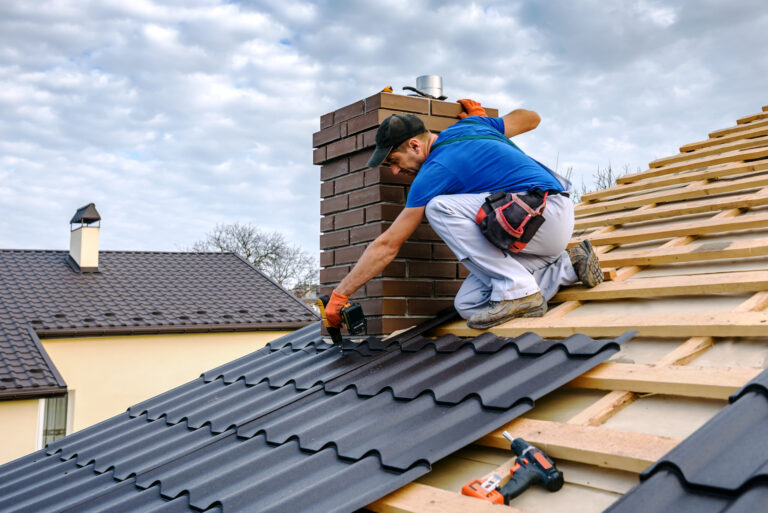
Roof replacement means completely removing an old or damaged roof and installing a new one to restore the home’s protection, structure, and weatherproofing. It ensures safety, prevents leaks, and improves the roof’s lifespan.
Major signs that your Cumbrian roof may need attention are worn, cracked, or missing tiles and slates, which can allow water to penetrate and cause interior damage. Sagging flat roofs or uneven surfaces indicate structural weakness, while cracks, punctures, or splits in felt or membrane roofs are prone to leaks. Daylight filtering through roof boards, loose ridge tiles, or damaged flashing are clear warnings of compromised waterproofing. Other signs include extensive moss or vegetation growth, water stains or damp patches inside, granule loss on asphalt shingles, rotting underlay, falling mortar, and ageing roofs that have reached the end of their expected lifespan. Hidden structural weaknesses, clogged gutters, and multiple shingle layers can further exacerbate these problems, often making full roof replacement the safest long-term solution.
Here are the top signs which shows you need a new roof for your home in Cumbria:
- Worn or Missing Tiles/Slates: Damaged, cracked, curled, or missing tiles allow water to penetrate, causing leaks, damp patches, and potential structural damage. Widespread issues may require a full roof replacement.
- Sagging Flat Roofs: Sagging caused by water pooling or weakened support boards indicates compromised structural integrity, often necessitating professional assessment or roof replacement.
- Daylight Through Roof Boards: Sunlight filtering through gaps or cracks in the roof boards suggests damage that could let in water, snow, and drafts, signaling urgent repair or replacement.
- Cracks, Punctures, or Splits on Flat Roofs: Felt or membrane flat roofs with splits, cracks, or punctures are prone to leaks and water damage, often requiring a complete roof replacement.
- Moss, Algae, or Excessive Vegetation Growth: Heavy moss or algae growth lifts tiles, traps moisture, and accelerates decay, creating gaps that allow water penetration and may require professional cleaning or roof replacement.
- Leaks, Water Damage, and Interior Damp: Water stains, peeling paint, bubbling surfaces, or dripping sounds indicate roof failure and potential structural timber damage, often necessitating repair or full replacement.
- Age of the Roof: Roofs reaching the end of their expected lifespan (20–100 years depending on material) may show signs of curling, weakened tiles, or deteriorating underlay, indicating it’s time for replacement.
- Extensive Roof Damage: Multiple broken or warped tiles, damaged flashing, or widespread moss/vegetation growth may make full roof replacement more practical than repeated repairs.
- Poor Insulation, Ventilation, and Energy Efficiency: A deteriorating roof can lead to heat loss, drafts, and higher energy bills, highlighting the need for replacement to restore energy efficiency.
- Granule Loss on Asphalt Shingles: Worn-off protective granules leave shingles exposed to damage; widespread granule loss signals that the roof may need replacement.
- Damaged Flashing and Gutters: Loose, rusted, or broken flashing and clogged gutters can lead to leaks, damp, and timber rot, sometimes requiring roof replacement if deterioration is extensive.
- Falling Mortar, Ridges, and Rotting Underlay: Cracked or falling mortar, damaged ridge caps, and rotted underlay compromise waterproofing and structural integrity, often necessitating a full roof replacement.
- Hidden Structural Weakness: Weak joists, rafters, or supporting beams due to rot or pests can lead to sagging or collapse; professional inspection may reveal the need for full roof replacement.
- Debris on Roof or in Gutters: Accumulated leaves, branches, or moss can trap moisture, damage tiles, and block gutters, potentially requiring repair or replacement if protective layers are compromised.
- Attic Leak Indicators: Water stains, dripping sounds, blistering surfaces, or mould in the attic suggest leaks through tiles, flashing, or underlay, often requiring roof replacement.
- Loose Ridge Tiles or Caps: Shifted, loose, or missing ridge tiles compromise ventilation and water protection, often necessitating professional repair or full roof replacement.
- Multiple Layers of Shingles: Older roofs with multiple shingle layers can hide rot, trapped moisture, or uneven weight distribution, making full replacement the safest solution.
Worn, Cracked, or Missing Tiles and Slates
One of the most obvious signs your roof needs attention is damaged, missing, or slipped tiles or slates. Cracked, curled, or worn tiles allow water to penetrate your home, causing damp patches, leaks, and potential structural damage.
Check the alignment of your tiles and the ridge line of your pitched roof. Any sagging along the ridge or uneven tiles can indicate underlying structural issues with joists or rafters. While a few tiles may be repaired, widespread damage or a sagging ridge usually means a full roof replacement is required to maintain the safety and weatherproofing of your home.
Sagging or Uneven Flat Roofs
Flat roofs can sag if water collects on them for long periods or if the supporting boards weaken due to weather exposure. This isn’t just an aesthetic issue. Sagging can compromise the structural integrity of your home and become unsafe.
If you notice a dip, uneven surface, or pooling water on a flat roof, it often requires immediate professional assessment. In many cases, replacement of the flat roof is the safest long-term solution to prevent leaks, damp, and potential collapse.
Sunlight or Daylight Filtering Through Roof Boards
If you notice daylight streaming through your roof when inspecting from inside your home, it’s a serious warning. Gaps or cracks in the roof boards allow rain, snow, and cold draughts to enter your property, which can damage insulation and timber over time.
Even small openings can worsen quickly, so a professional inspection is essential. Depending on the extent of the damage, patching may be possible, but in most cases, roof replacement is the safest long-term solution.
Cracks, Punctures, or Splits on Flat Roofs
Felt and membrane flat roofs can develop cracks, splits, or punctures, especially around edges or in areas exposed to harsh Cumbria weather. These defects allow water to penetrate, leading to damp, mould, or even internal structural damage. Immediate action is required, often in the form of a full roof replacement.
Moss, Algae, or Excessive Vegetation Growth
In Cumbria’s damp climate, moss, algae, and other vegetation can thrive on roof surfaces. While a small amount is normal, heavy growth can lift tiles, trap moisture, and accelerate decay. Over time, this can create gaps that allow water to penetrate, damaging timber, insulation, and the roof structure.
Regular inspection and cleaning are essential to prevent serious problems. If moss or vegetation is widespread or the roof’s protective layer is failing, professional repair or even a full roof replacement may be necessary.
Leaks, Water Damage, and Interior Damp
Stains, peeling paint, or damp patches on ceilings and walls are often the first signs that your roof is failing. Persistent or recurring leaks can not only damage your interiors but also weaken structural timbers.
Inspect your attic, ceilings, and walls carefully, especially during or after heavy rain. Look for dark streaks, bubbling surfaces, or dripping sounds. In Cumbria, where rainfall is frequent, even small faults can quickly lead to pooling, sagging, and internal damp if not addressed promptly.
Professional inspection is essential. Depending on the severity, minor repairs may help temporarily, but in many cases, a full roof replacement is the most effective long-term solution to protect your home, insulation, and timber from further damage.
Age of Your Roof
Every roof has a natural lifespan depending on its materials and maintenance. In Cumbria, slate and tile roofs can last 50–100 years if well maintained, while modern asphalt or composite roofs typically last 20–30 years.
Even a well-maintained roof will eventually show signs of ageing. Look out for curling, cracked, or weakened tiles, sagging timber, or deteriorating underlay. Exposure to Cumbria’s heavy rain, snow, and wind can accelerate wear, particularly on flat or older roofs.
Regular professional inspections are essential as your roof approaches the end of its expected life. Early assessment allows you to plan for repair or replacement before leaks, water damage, or structural issues develop, ensuring your home remains safe and weatherproof.
Extensive Roof Damage
If your roof shows widespread problems such as multiple broken or warped tiles, damaged flashing, or heavy moss and algae growth, it may be more practical to replace the roof entirely rather than attempting repeated repairs. In older roofs, the cost of patching extensive damage can quickly outweigh the benefit, and replacement ensures a longer-lasting, weatherproof solution.
Poor Insulation, Ventilation, and Energy Efficiency
A roof in poor condition can allow heat to escape, leading to higher energy bills, drafty rooms, and uncomfortable living conditions. If insulation or ventilation is compromised due to age, damage, or failing roofing materials, it can affect both comfort and energy efficiency.
In some cases, adding insulation or improving ventilation may help temporarily. However, if the roof itself is deteriorating, a professional assessment is essential, and full replacement is often the most effective long-term solution to restore energy efficiency, maintain comfortable indoor temperatures, and protect your home.
Granule Loss on Asphalt Shingles
Asphalt shingles are coated with protective granules to shield them from sunlight, rain, and frost. Over time, these granules can wear off, leaving shingles exposed to damage. Check gutters for granules, and inspect shingles for bald patches.
If widespread granule loss is present, your shingles are nearing the end of their serviceable life. In such cases, roof replacement ensures renewed protection, prevents leaks, and maintains the overall integrity of your home.
Damaged Flashing and Gutters
Flashing and gutters protect your home by directing water away from the roof and walls. Damaged, loose, or rusted flashing around chimneys, vents, or skylights can allow water to seep in, causing damp, mould, and timber rot.
Gutters clogged with debris, granules from shingles, or fallen tiles are another warning sign. Granules indicate that asphalt shingles are wearing down, while broken tiles in gutters suggest the roof is deteriorating.
Regular inspection is essential. Addressing flashing or gutter issues early can prevent leaks and water damage, but extensive deterioration may indicate that a roof replacement is the most effective long-term solution.
Falling Mortar, Ridges, and Rotting Underlay
Older roofs with slate or tile often use mortar at ridges and verges. Cracked or falling mortar exposes the roof to water ingress, frost damage, and wind uplift. Damaged ridge caps or bedding can compromise the entire roof, affecting both protection and ventilation.
Underlay supports tiles and prevents water from penetrating the structure. Once it rots, even intact tiles cannot prevent leaks. Rotting underlay cannot be patched effectively and usually requires a complete roof replacement.
Regular inspections of ridges, mortar, and underlay are essential. Early detection helps prevent more extensive damage and ensures your roof remains safe and weatherproof.
Hidden Structural Weakness
Even if your roof looks fine externally, the underlying framework such as joists, rafters, or supporting beams can weaken over time due to moisture, rot, or pest damage. This hidden damage may lead to sagging, uneven surfaces, or even partial collapse. Professional inspections are essential, as ignoring structural weaknesses can result in costly repairs or unsafe conditions. Full roof replacement may be the safest long-term solution if structural integrity is compromised.
Debris on Roof or in Gutters
Accumulated debris such as leaves, branches, or moss can trap moisture on the roof surface, accelerating wear on tiles, shingles, and underlay. Debris can also clog gutters, causing water to pool and increasing the risk of leaks, damp, or structural damage. Regular cleaning and maintenance help prevent these issues, but if debris has caused damage to the protective layers of your roof, professional repair or replacement may be necessary.
Attic Leak Indicator
Sometimes water damage isn’t obvious on the roof surface but shows up in the attic. Look for dripping sounds, circular water stains on beams or ceilings, bubbling or blistering surfaces, and localized mould growth. These signs indicate water penetration through tiles, flashing, or underlay and often require roof replacement to fully protect your home.
Loose Ridge Tiles or Caps
Ridge tiles and caps protect the highest points of your roof and vulnerable seams from water penetration. If ridge tiles are loose, shifted, or missing, even if mortar appears intact, water can enter the roof structure, compromising ventilation and stability. Persistent ridge issues often require professional repair or full roof replacement to ensure long-term protection.
Multiple Layers of Shingles
Roofs with multiple layers of shingles may appear intact but can conceal issues like rotting underlay, trapped moisture, or uneven weight distribution. Older layered roofs wear faster and are harder to inspect or repair. In such cases, full roof replacement is often the most practical solution to prevent leaks, structural problems, and long-term damage.
Is It Possible to Easily Spot Signs of Roof Replacement by Yourself?
Many roof issues can be detected by homeowners with a careful eye and some simple checks. Visible signs like cracked, missing, or slipped tiles, sagging sections on flat roofs, and moss or algae growth are often noticeable from the garden or from windows. Even subtle clues, such as peeling paint, damp patches on ceilings, or daylight streaming through the roof boards, can indicate that water is entering your home. Spending a few minutes each season observing these warning signs can help catch small problems before they escalate into major roof replacements or repairs.
However, not all roof damage is obvious. Hidden issues, like rotting underlay, weakened joists, or multiple layers of shingles concealing structural problems, are often invisible without professional inspection. While DIY checks are useful for early detection, calling in a roofing expert ensures that less visible but potentially dangerous issues are identified and addressed, keeping your home safe and extending the life of your roof.
How Can I Spot Roof Issues as a Homeowner?
Even small roof problems can have a big impact on your home and daily life. Leaks might start as tiny damp patches on ceilings or peeling paint, but over time they can lead to bigger water damage and structural issues. Drafts in winter can make rooms uncomfortable and increase heating bills, while unnoticed water ingress can weaken timber and insulation.
Homeowners can often spot issues early by taking a few simple steps. Walk around your property to inspect your roof from the ground or garden, checking for slipped, cracked, or missing tiles. Head into your attic after rainfall and look for water stains, dampness, or puddles forming on boards. These small checks can help you catch issues before they escalate.
Simple vigilance can save both money and stress. Even if you’re not comfortable climbing a ladder, visual inspections from a distance or through the attic can alert you to potential roofing problems, allowing you to schedule professional repairs before a minor leak becomes a major replacement job.
How Much Could Roof Damage Cost Me?
Ignoring early signs of roof damage can quickly become expensive. Small repairs, like replacing a few cracked tiles, are far cheaper than dealing with widespread water damage, mold remediation, or structural repairs caused by prolonged leaks. In some cases, delaying action can even reduce the lifespan of your roof entirely.
A properly maintained and insulated roof can also save on energy bills. Heat escaping through gaps in tiles or underlay means your heating system works harder, especially during Cumbria’s chilly winters. Investing in a roof replacement or repair not only protects your property but can also improve energy efficiency and comfort.
Finally, the financial benefits extend beyond bills. A new, well-maintained roof can increase your home’s resale value, making it an investment rather than just a cost. Sometimes, full replacement is the smarter choice financially, offering peace of mind and long-term savings.
How Does Roof Structure Affect the Safety of My Home?
Your roof’s structural integrity is critical to the overall safety of your property. Sagging sections, rotting underlay, or weakened joists can compromise the framework that supports your roof. These problems often start small but can quickly escalate if ignored, leading to uneven surfaces, leaks, or even partial collapse.
Hidden issues like multiple shingle layers or old timber can mask underlying damage, making it difficult for homeowners to spot problems until they become serious. A professional inspection can identify these risks early, ensuring structural issues are addressed before they threaten your home’s stability.
Understanding the engineering side of your roof helps explain why some repairs are temporary fixes. Structural damage often requires full replacement to restore long-term safety and prevent further problems, ensuring your home remains secure for years to come.
How Does Cumbria’s Climate Affect My Roof?
Cumbria’s weather is particularly tough on roofs, with heavy rainfall, frost, and strong winds challenging roofing materials year-round. Damp winters accelerate moss and algae growth, which can lift tiles, trap moisture, and compromise waterproofing. Over time, this leads to leaks and decay if not addressed.
Different roofing materials respond differently to local weather. Slate and tile can last decades with proper care, but flat roofs or asphalt shingles are more vulnerable to cracking, splitting, or granule loss in harsh conditions. Understanding how your roof material reacts to Cumbria’s climate helps you prioritize maintenance and repairs.
Preventative maintenance is key. Cleaning gutters, removing moss, and inspecting vulnerable areas before and after heavy rain or snowstorms can significantly extend your roof’s life and reduce the likelihood of unexpected damage.
How Can Roof Problems Affect Safety?
Roof issues are more than cosmetic. They can pose real safety risks. A sagging ridge, loose tiles, or weakened structural boards can lead to partial collapse, while persistent leaks can cause mold growth, affecting the health of your household. These problems should never be ignored.
While minor issues can sometimes be spotted and temporarily fixed through DIY checks, serious concerns always require professional assessment. Attempting repairs without proper expertise can be dangerous and even worsen the damage.
Regular inspections, combined with quick responses to identified problems, are the best way to keep both your home and family safe. Roof replacement may be necessary when damage compromises structural integrity or puts residents at risk.
How Can Proper Maintenance Extend My Roof’s Lifespan?
Routine roof maintenance can dramatically extend the life of your home’s roof. Seasonal inspections, gutter cleaning, and debris removal prevent moisture from accumulating and damaging tiles, underlay, or timber. Simple steps, like controlling moss growth or checking for sagging sections, reduce the likelihood of costly repairs.
A few hours of attention each year can prevent minor problems from escalating into structural issues. Cleaning gutters, trimming overhanging branches, and inspecting ridges and flashing are easy ways homeowners can protect their roofs.
With consistent maintenance, even older roofs can last significantly longer than their expected lifespan. This proactive approach helps you plan repairs or replacements strategically, avoiding emergency situations.
How Does a Roof Impact My Home’s Appearance and Value?
A roof is one of the most visible features of a home, and its condition can affect curb appeal and property value. Damaged tiles, moss growth, or uneven ridges create a worn appearance that can deter potential buyers or reduce resale value.
Replacing or repairing your roof can enhance your home’s visual appeal. Uniform tiles, clean lines, and healthy shingles create a polished look that complements the property, while also providing the reassurance of structural safety and weatherproofing.
Investing in roof improvements not only protects your home but can also pay off financially when selling. A well-maintained roof signals care and attention to buyers, adding tangible value to your property.
What Do Roofing Experts Recommend for Preventing Problems?
Professional roofers bring experience and insight that homeowners may overlook. They can spot hidden rot, underlay issues, or weakened joists that aren’t visible from the street or attic. Their inspections often reveal problems before they escalate into major repairs or replacements.
Roofing experts also provide practical advice on preventative maintenance, seasonal checks, and long-term planning. Many homeowners underestimate the frequency of inspections required to maintain a safe and durable roof.
Relying on professional knowledge ensures your roof remains safe, functional, and visually appealing. Expert guidance helps homeowners make informed decisions about repairs, partial replacements, or full roof replacements when necessary.
How Can Eco-Friendly Roof Solutions Save Money and the Environment?
Replacing an old roof with energy-efficient materials can reduce heating costs and environmental impact. Modern insulation, reflective shingles, and green roofing materials prevent heat loss, minimize energy consumption, and help maintain comfortable indoor temperatures.
Eco-friendly roofs also contribute to sustainability by using recyclable or long-lasting materials. Properly designed roofs reduce water runoff, prevent moss growth, and often require less maintenance, which decreases the long-term environmental footprint.
Investing in green roofing solutions benefits both your home and the planet. Beyond immediate savings on bills, it ensures your property is more resilient to weather extremes while supporting sustainable living.