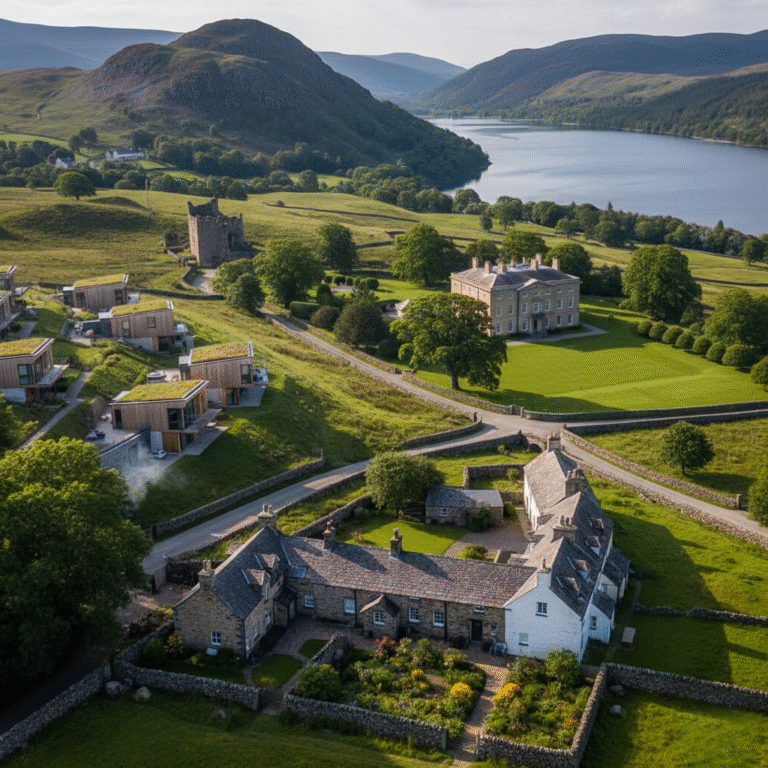
Cumbria is home to a wide variety of property types, each reflecting the county’s history, culture, and landscapes.
The types of homes and properties commonly found in Cumbria include traditional Cumbrian stone cottages, terraced homes (including end-of-terrace), semi-detached houses, detached houses, post-war builds, modern new builds, bungalows, and flats or apartments. These range from historic rural cottages to spacious family homes and contemporary urban apartments, reflecting the county’s diverse architectural styles, rich history, and the unique character of both its towns and countryside.
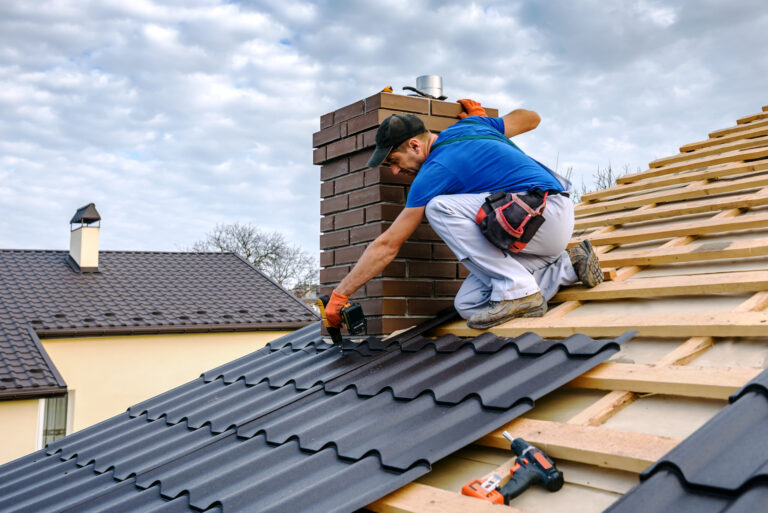
The architecture of a home doesn’t just define its look, it also affects insulation, ventilation, and long-term maintenance. Roof design, while a smaller aspect of the overall architecture, plays an important role in protecting the property from Cumbria’s rain, wind, and snow, and should match the style and structure of the building.
Understanding these property types helps homeowners make informed decisions about maintenance, improvements, and repairs, and ensures their homes remain safe, comfortable, and beautiful for years to come.
Local experts like Westmorland Roofing can provide guidance on roofing solutions that respect both the home’s character and the unique challenges of the Cumbrian climate.
Here are the property styles, types, and architecture you will normally find in Cumbria, UK:
- Traditional Cumbrian Stone Cottages: Traditional Cumbrian stone cottages are iconic rural homes, often centuries old, built with thick stone walls and low ceilings. Their steep slate roofs and characterful chimneys are designed to withstand Cumbria’s harsh weather.
- Terraced Homes: Terraced homes are common in towns like Carlisle and Workington, featuring rows of houses that share walls with neighbours. They have uniform facades, compact layouts, and practical designs ideal for urban living.
- Semi-Detached Houses: Semi-detached houses, often from the mid-20th century, offer more space and privacy than terraces. They typically have symmetrical designs, front and rear gardens, and are popular family homes.
- Post-War Builds: Post-war builds were constructed to meet housing demand after World War II and are functional and modest. They often have low-to-moderate pitched roofs, larger windows, and practical interior layouts.
- Modern New Builds: Modern new builds combine contemporary design with energy efficiency and open-plan layouts. They use sustainable materials and often integrate traditional elements to complement Cumbria’s scenic surroundings.
- Detached Houses: Detached houses are standalone properties that offer maximum privacy and space. They often come with front and rear gardens, driveways, and flexible layouts, making them ideal for families and countryside living.
Bungalows: Bungalows are single-storey homes, popular among older residents or those seeking easy-access living. They usually feature compact, practical layouts and are often surrounded by gardens. - Flats/Apartments: Flats or apartments are multi-unit properties, commonly found in towns like Carlisle, Barrow, and Workington. They are suited to compact urban living and often occupy converted buildings or purpose-built blocks.
Traditional Cumbrian Stone Cottages
These iconic homes are perhaps the most recognised feature of rural Cumbria. Often dating back hundreds of years, traditional stone cottages are built using locally quarried stone, with thick walls designed to insulate against the region’s wet and windy climate.
Characteristics:
- Small, cosy interiors with low ceilings
- Thick stone walls and exposed beams
- Steeply pitched roofs, often covered in slate
- Chimneys that punctuate the roofline
- Original wooden windows or modern replacements that maintain the character
Stone cottages are especially common in villages and farming communities across the Lake District, where their enduring design has withstood centuries of harsh weather.
Terraced Homes
Terraced housing became popular in Cumbria during the 19th and early 20th centuries, particularly in towns like Carlisle, Workington, and Whitehaven. These homes were often built for workers in industries such as mining, ironworks, and textiles.
Characteristics:
- Rows of houses sharing walls with neighbours
- Uniform facades and rooflines
- Modest front gardens or yards
- Brick or stone exteriors, often painted or rendered
- Compact layouts ideal for town living
Terraced homes are a vital part of Cumbria’s urban heritage, offering practicality and community-focused living.
Semi-Detached Houses
Semi-detached homes are a common sight across both towns and suburbs in Cumbria. Many were constructed in the early to mid-20th century to accommodate growing families.
Characteristics:
- Two houses joined by a shared wall
- Individual gardens at the front and rear
- Symmetrical designs with consistent rooflines
- Mixture of brick, stone, or rendered exteriors
- Spacious interiors compared to terraced housing
These properties provide a balance between privacy and community, and they remain highly sought-after for family living.
Post-War Builds
Following World War II, Cumbria saw a wave of housing construction designed to meet urgent demand. Post-war homes vary in style but are typically functional, modest, and uniform.
Characteristics:
- Simple rectangular or L-shaped layouts
- Low to moderate roof pitches, often tiled
- Brick or concrete construction
- Larger windows than earlier homes
- Practical interior designs prioritising space and light
Post-war builds are particularly common in towns like Barrow-in-Furness and Penrith, representing a period of rapid development and modernisation.
Modern New Builds
Modern construction continues to shape Cumbria’s urban and suburban landscapes. From energy-efficient houses in newly developed estates to bespoke homes tucked into scenic areas, contemporary architecture often blends traditional inspiration with modern design.
Characteristics:
- Flexible layouts and open-plan interiors
- Sustainable materials and energy-efficient features
- Mixed roof types — flat, pitched, or combination designs
- Integration with technology and modern conveniences
- Larger windows to maximise light and views
New builds reflect current lifestyles while respecting the character of their surroundings, especially in the Lake District National Park or conservation areas.
Detached Houses
Detached houses are standalone properties that do not share walls with any neighbouring home, offering the highest level of privacy and space. They are common across Cumbria, particularly in rural villages, small towns, and suburban areas.
Characteristics:
- Standalone properties with no shared walls
- Front and rear gardens, often with driveways
- Flexible layouts suitable for extensions or garages
- Multiple rooms and spacious interiors
- Roofs designed to shed rain and snow efficiently
Detached houses are ideal for families or those seeking a more independent lifestyle, providing both comfort and privacy while blending seamlessly with Cumbria’s rural and suburban landscapes.
Bungalows
Bungalows are single-storey homes that provide easy-access living, making them popular with older residents or anyone preferring a home without stairs. They can be found in both towns and countryside locations across Cumbria.
Characteristics:
- Single-storey layout with compact, practical interiors
- Often surrounded by gardens and modest plots
- Low-pitched or hipped roofs that complement the structure
- Convenient design for mobility and day-to-day living
- Simple exteriors that blend with suburban or rural surroundings
Bungalows offer a comfortable, low-maintenance option while still reflecting the character of Cumbrian housing styles.
Flats and Apartments
Flats and apartments are multi-unit properties, generally located in urban centres such as Carlisle, Barrow-in-Furness, and Workington. They may be in purpose-built blocks or converted older buildings.
Characteristics:
- Multi-unit homes suitable for singles, couples, or small families
- Often located close to local amenities and transport links
- Compact, efficient layouts with shared building maintenance
- Roof maintenance is typically managed at building level
- Can include period conversions or modern constructions
Flats and apartments provide practical and convenient living options in Cumbria’s towns, offering accessibility without sacrificing proximity to essential services.
Why Architecture Matters for Roofing in Cumbria?
The architecture of a home affects not just aesthetics but also how it performs in Cumbria’s weather. Older stone cottages, post-war builds, and modern homes each have distinct design features that influence insulation, ventilation, and maintenance needs.
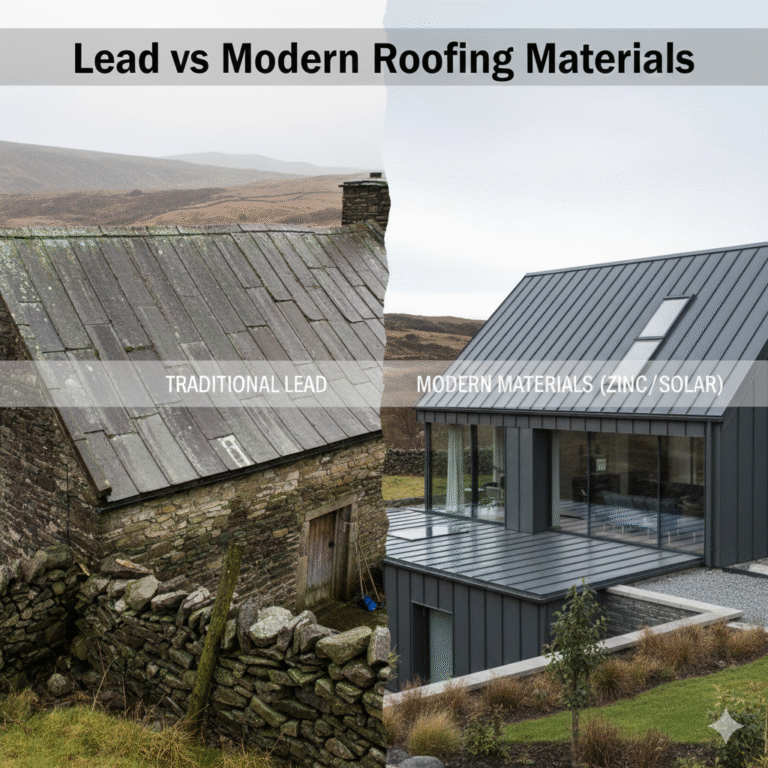
Even the roof, while not the main focus, is a key part of these designs. For example, traditional cottages often have steep slate roofs to shed rain quickly, whereas modern homes may feature lower-pitched roofs with energy-efficient materials. Understanding property types helps homeowners make better decisions about maintenance, improvements, or renovations.
How Does the Architecture of a Home Reflect Its Age and History?
Older homes, like traditional stone cottages, often date back hundreds of years and feature thick walls, low ceilings, and steep slate roofs. Post-war homes have practical layouts and modest designs, reflecting rapid construction needs, while modern new builds showcase contemporary layouts, open-plan interiors, and sustainable materials. Architecture gives insight into the era in which a property was built.
What Makes Traditional Cumbrian Stone Cottages Unique?
Stone cottages are built using locally quarried stone, with thick walls for insulation and steep roofs to cope with heavy rain and snow. Many cottages feature exposed beams, chimneys, and small, cosy interiors that give them character. They are a defining feature of the Lake District and rural Cumbria, combining historic charm with practicality.
How Do Terraced, Semi-Detached, and Detached Houses Differ in Roofing Needs?
Terraced homes, with shared walls, often have simple pitched roofs that are easier to maintain but require coordination with neighbours for repairs. Semi-detached houses share one wall and typically feature medium-pitched roofs, while detached homes, being standalone, can have a wider variety of roof designs, including complex pitches and extensions. The architecture directly affects roof size, materials, and maintenance requirements, especially in areas exposed to wind and rain.
How Do Bungalows and Flats Influence Roof Design and Upkeep in Cumbria?
Bungalows, being single-storey, usually have low-pitched roofs that are easier to access for maintenance, but still need to handle heavy rainfall effectively. Flats or apartments, especially in converted buildings, often have shared or flat roofs, requiring coordinated upkeep and robust waterproofing. Architecture dictates how easily roofs can be maintained and what materials are best suited for the property type.
Does Architecture Influence Roof Design And Maintenance?
While not the main focus, a home’s architectural style affects roof pitch, materials, and maintenance. Steep slate roofs suit traditional stone cottages, while modern homes may feature lower-pitched tiles or energy-efficient options. Understanding your roof and property type helps plan upkeep, renovations, or improvements in a way that complements both style and function.
Cumbria’s homes are as varied as its landscapes, blending history, practicality, and modern living. From cosy stone cottages to sleek new builds, each property type tells a story about the county’s past, present, and future. For residents concerned about weatherproofing or maintaining these roofs, local experts like Westmorland Roofing provide guidance on protecting homes while respecting their architectural character.