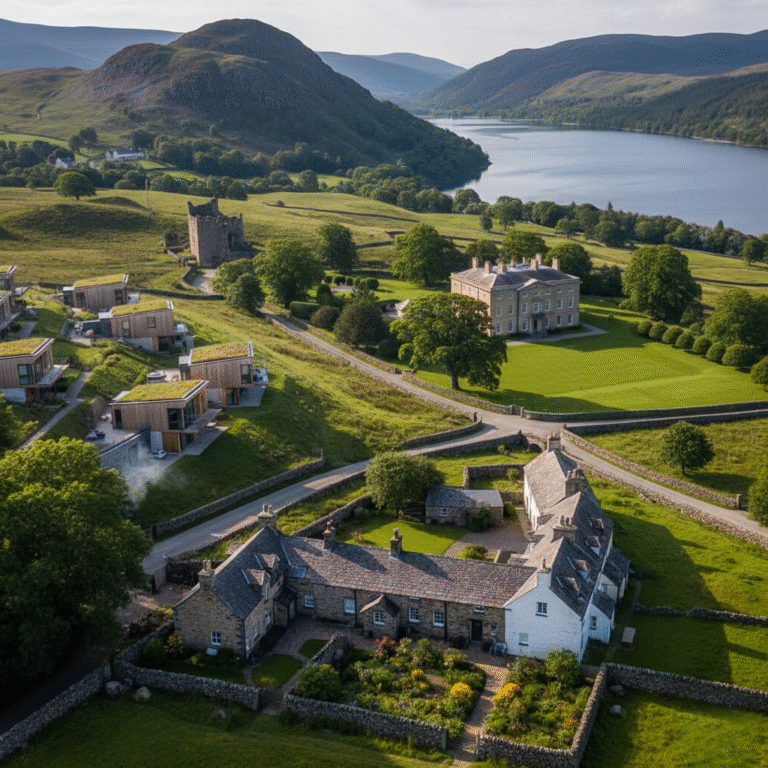
Roof tiles play a vital role in protecting your home from the elements, but they also have a huge influence on how your property looks and performs over time. If you look around Cumbria and across the UK, you’ll notice a wide mix of roof styles, from traditional slate-covered stone cottages to concrete-tiled post-war homes and newer developments.
This often leads homeowners to ask: what are the most common roofing tiles used Cumbria, and why are they so popular?
In most cases, the choice of roof tile comes down to cost, durability, appearance, availability, and suitability for the local climate. Taking all of this into account, there are three roofing tiles that dominate Cumbrian roofs:
Concrete roof tiles: Concrete tiles are the most widely used due to affordability and versatility
Clay roof tiles: Clay tiles offer timeless appeal and long-term durability
Slate roof tiles: Slate tiles provide unmatched longevity and character, especially for traditional homes
Proper installation and roof structure assessment are just as important as the tile choice. Each has its own strengths and is suited to different property types, budgets, and locations.
1. Clay Roof Tiles
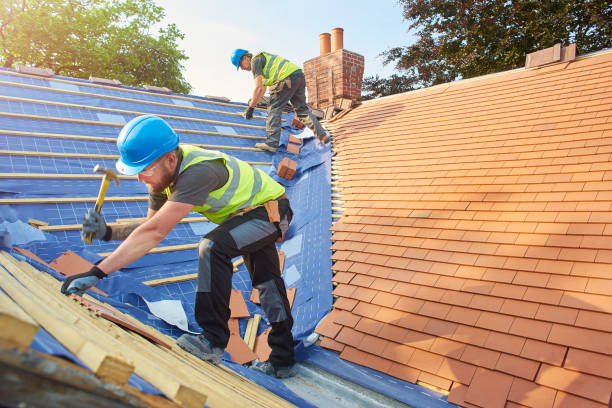
Clay roof tiles have been used in the UK for centuries and remain a popular choice today, particularly for traditional and character properties.
How Clay Roof Tiles are Made?
Traditionally, clay tiles were hand-shaped and fired in kilns. While modern manufacturing is more consistent, the basic process remains the same: natural clay is moulded and baked at very high temperatures. The firing time and heat determine the tile’s final colour, strength, and weight.
Why Clay Tiles Are So Popular?
Clay tiles are valued for their timeless appearance and long lifespan. They are especially common on older homes, cottages, and period-style new builds.
Benefits of Clay Roof Tiles
Excellent durability: clay tiles can last 60–100 years when installed correctly
Low maintenance: they weather naturally and rarely need intervention
Attractive appearance: available in terracotta, reds, browns, and lighter tones
Colour longevity: the colour is fired into the tile, so it doesn’t fade easily
Eco-friendly: made from natural materials and fully recyclable
Things to Consider
Clay tiles are heavier than some alternatives and may require a roof structure strong enough to support them. They can also be more brittle under impact, making professional installation essential.
2. Concrete Roof Tiles
Concrete roof tiles are the most commonly used roofing tile in Cumbria, particularly on homes built from the mid-20th century onwards.
How Concrete Tiles are Made?
Concrete tiles are manufactured using a mix of cement, sand, and water, moulded into shape and cured. Their popularity rose sharply in the 1930s and by the 1960s they had become an industry standard.
Why Concrete Tiles are So Widely Used?
Concrete tiles are cost-effective, versatile, and widely available, making them ideal for everything from single homes to large housing developments.
Benefits of Concrete Roof Tiles
Affordable: one of the most budget-friendly roofing options
Strong and Robust: often last 50–70 years with proper care
Low Maintenance: no specialist treatments required
Versatile Designs: can mimic clay or slate styles
Energy efficient: good thermal mass helps regulate indoor temperatures
Things to Consider
Concrete tiles can fade over time as their surface coating weathers. They are also heavier than slate, which may be a consideration for older roof structures.
3. Slate Roof Tiles
Slate is widely regarded as one of the most attractive and long-lasting roofing materials available. It is especially common across Cumbria and the Lake District, where natural slate has been used for generations.
What Makes Slate Roofing Unique?
Slate is a natural stone, split into thin tiles. No two pieces are exactly the same, giving slate roofs a distinctive and characterful finish.
Why Slate Remains So Popular?
Despite being one of the more expensive options, slate is chosen for its prestige, longevity, and performance in harsh weather, ideal for exposed areas.
Benefits of Slate Roof Tiles
Exceptional lifespan: often 80–100+ years
Highly durable: performs well in wind, rain, and snow
Fire resistant: naturally non-combustible
Aesthetically pleasing: enhances period and high-end properties
Environmentally friendly: long lifespan reduces replacement waste
Things to Consider
Slate is heavier and more expensive than clay or concrete, and installation requires experienced roofers. Repairs can also be more specialised.
What is the Difference Between Roof Slate vs Roof Tile?
Roof slates and roof tiles differ mainly in material, appearance, weight, and longevity. Roof slates are typically made from natural stone or fibre cement and are thinner, denser, and more uniform in size. This gives slate roofs their clean, refined appearance and allows them to shed rain and snow very effectively, an important advantage in wet, exposed areas like Cumbria. Roof tiles, by contrast, are usually made from clay or concrete and are thicker, heavier, and formed into curved or interlocking shapes, making them highly versatile and suitable for a wide range of property styles.
When it comes to performance and lifespan, slate generally outlasts most tiled roofs, with natural slate often lasting 80–100 years or more when installed correctly. Roof tiles still offer strong durability, but concrete and clay tiles typically have a shorter lifespan and may weather or fade over time. However, tiles are usually more cost-effective and easier to source, which makes them a practical choice for many homeowners. The right option between roof tile and slate ultimately depends on your roof structure, budget, and how exposed your property is to wind, rain, and snow.
Why Are These Roofing Tiles So Common?
Clay, concrete, and slate tiles dominate Cumbrian roofing because they strike the best balance between:
Cost vs longevity
Availability of materials
Suitability for the UK climate
Visual appeal across different property styles
In informal industry surveys and real-world use, concrete and clay tiles lead in overall numbers, while slate remains the preferred option for traditional homes and premium properties.
Which Roofing Tile is Right for Your Property?
The right choice depends on several factors:
Age and style of your home
Roof structure and load capacity
Local planning or conservation requirements
Exposure to wind and weather
Budget and long-term plans
A traditional Cumbrian stone cottage may suit slate, while a post-war semi or modern build may be better suited to concrete or clay tiles.
How Do I Know Which Roof Tile Is Best for Cumbrian Weather?
Cumbria’s climate is one of the biggest factors when choosing a roofing material. Heavy rainfall, strong winds, occasional snow, and prolonged damp conditions mean your roof must shed water efficiently and remain secure during storms. Slate and concrete tiles tend to perform particularly well in these conditions due to their density and resistance to water absorption, while clay tiles are also reliable when properly installed and maintained.
The key isn’t just the tile itself, but how it’s fixed. Correct batten spacing, appropriate underlay, and secure fixings are essential in exposed areas such as the Lake District and coastal Cumbria. A tile that performs well in milder regions may struggle if installation standards don’t account for local wind uplift and rainfall levels.
Are Slate Roofs Better Than Tiled Roofs for Older Cumbrian Homes?
Many older Cumbrian homes, particularly stone cottages and period properties, were originally built with slate roofs. Slate complements the character of these buildings and is often better suited to their roof pitch and structure. Using slate helps maintain the traditional appearance of the property and can be important in conservation areas.
However, slate is heavier and more expensive, so the roof structure must be assessed before replacement. In some cases, high-quality concrete or clay tiles that mimic slate can be a suitable alternative, especially where budgets or structural limitations are a concern. The best option balances heritage, performance, and practicality.
How Long Do Different Roofing Tiles Last in Cumbria?
Roof tile lifespan varies depending on material, exposure, and maintenance. Natural slate is the longest-lasting option, often exceeding 80–100 years even in harsh Cumbrian conditions. Clay tiles typically last 60–100 years, while concrete tiles generally provide 40–70 years of reliable service.
Cumbria’s damp climate means regular inspections are important, regardless of tile type. Moss growth, blocked gutters, and wind damage can shorten a roof’s lifespan if left unaddressed. A well-maintained roof of any material will always outperform a neglected one.
Do Roofing Tiles Require Different Levels of Maintenance?
All roofs require some level of maintenance, but the amount varies by material. Slate roofs are generally low maintenance, though slipped or cracked slates should be repaired quickly to prevent water ingress. Clay tiles also require minimal upkeep and tend to age well over time.
Concrete tiles may need slightly more attention, particularly as their surface coating can weather and encourage moss growth in damp areas. Regular gutter cleaning and occasional inspections help prevent minor issues from becoming costly repairs, especially after winter storms.
Are Roofing Tiles Suitable for High-Wind Areas in Cumbria?
Yes, but only when the correct tile type and fixing method are used. Exposed areas in Cumbria, including hilltops and coastal locations, require enhanced mechanical fixings to prevent wind uplift. Slate and interlocking concrete tiles are often favoured in these locations due to their weight and secure fixing systems.
Why Tile Fixing Matters More Than Tile Type?
Even the strongest tile can fail if it isn’t properly fixed. Wind loading calculations, correct nail specifications, and modern fixing standards all play a vital role in ensuring your roof remains secure during severe weather.
Can I Replace My Roof Tiles Without Replacing the Whole Roof?
In some cases, yes. If the roof structure, battens, and underlay are still in good condition, it may be possible to replace damaged or worn tiles without a full roof replacement. This is common where only a section of the roof has suffered storm damage.
However, if the underlay is deteriorating or battens are failing, replacing only the tiles may be a false economy. A professional roof inspection will determine whether a repair or full replacement is the most cost-effective and long-lasting solution.
Do Planning Rules in Cumbria Affect Roofing Tile Choice?
Planning requirements can affect roofing materials, particularly in conservation areas, national parks, and listed buildings, which are common across Cumbria. In these locations, like-for-like materials are often required, meaning slate roofs usually need to remain slate.
Even outside protected areas, matching the existing roof style is good practice to maintain the character of your property and the surrounding area. A local roofing specialist will be familiar with these expectations and can guide you through suitable options.
Need Advice on Roofing Tiles in Cumbria?
If you’re repairing, replacing, or planning a new roof and want advice tailored to Cumbrian weather, property types, and best practices, Westmorland Roofing can help. Our team provides expert guidance, honest recommendations, and professional roof repair and installation across Cumbria and the surrounding areas.
Get in touch for a roof inspection or a no-obligation quote from a trusted local roofing specialist.