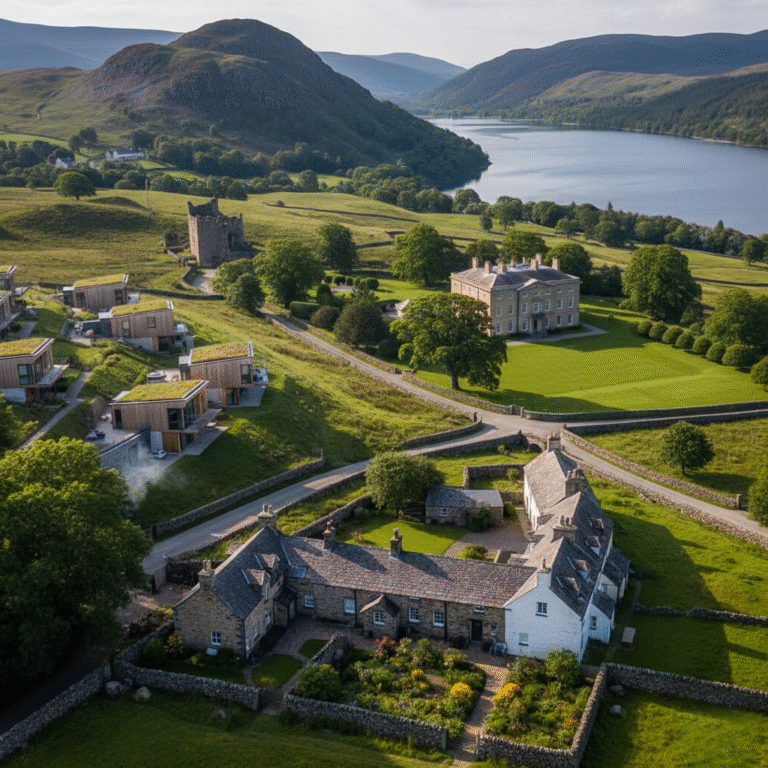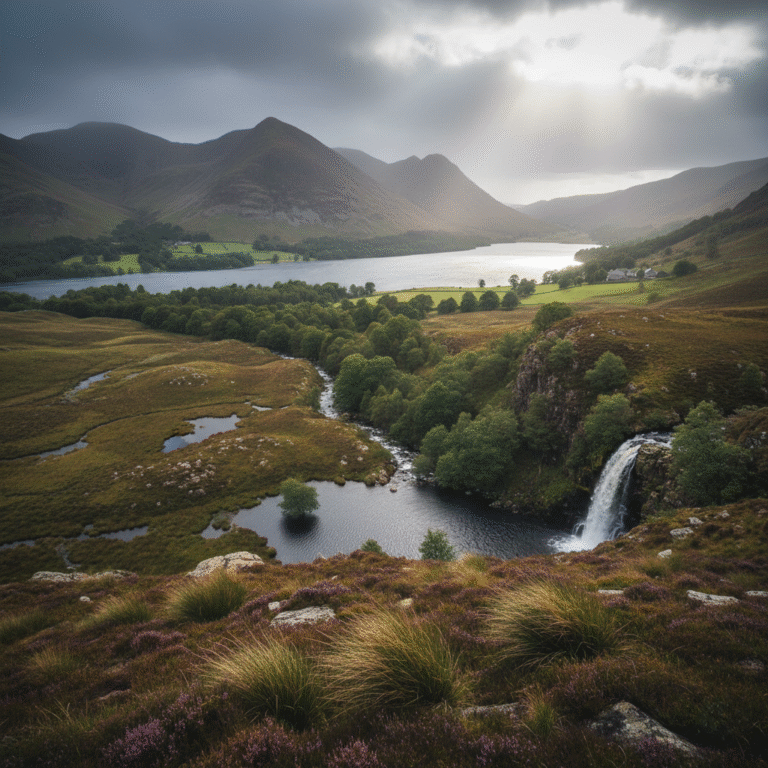
Cumbria is one of England’s most distinctive regions, where dramatic landscapes meet a dynamic climate. From the rugged fells of the Lake District to rolling farmland, serene lakes, and a long western coastline, the county’s weather patterns and natural environment shape daily life, building design, agriculture, and the wildlife that thrives across the region. The interplay between climate and landscape has given Cumbria its unique character, influencing everything from how people use the land to the types of homes that are built and maintained.
The county’s climate is marked by high rainfall, frequent wind, mild temperatures, and rapidly changing weather conditions. These factors create lush green pastures, thriving woodlands, and rich freshwater habitats, supporting a wide variety of flora and fauna. From upland fells to lowland valleys and coastal marshes, Cumbria’s weather plays a central role in sustaining its ecosystems while simultaneously presenting challenges for residents, farmers, and builders alike.
For homeowners, the county’s climate has a direct impact on the condition and longevity of residential properties. Persistent rainfall, strong winds, and seasonal frost or snow place extra demands on roofs, making proper design, materials, and regular maintenance essential. Understanding how Cumbria’s unique weather affects roofing helps homeowners protect their homes from leaks, damp, and structural issues, ensuring properties remain safe, comfortable, and durable year-round.
How is the Cumbria Climate?
Cumbria has a temperate maritime climate, meaning it is generally mild but wet throughout the year. The county is strongly influenced by Atlantic weather systems, which bring frequent rainfall and changeable conditions. Weather can vary significantly within short distances, particularly between low-lying coastal areas and higher ground in the Lake District.
Overall, Cumbria experiences:
Cool summers rather than hot spells
Mild but damp winters, with colder conditions at higher elevations
Frequent rainfall spread across the year
Rapid shifts in weather, sometimes within hours
This variability is part of what makes Cumbria both challenging and beautiful.
What Are the Rainfall Patterns and Regional Differences in Cumbria?
Cumbria is widely known as one of the wettest parts of England. Areas within and around the central Lake District receive particularly high levels of rainfall due to moist Atlantic air rising over the fells, a process known as orographic rainfall.
Key rainfall characteristics include:
High annual rainfall, especially in western and central areas
Prolonged periods of steady rain rather than short showers
Drier conditions in eastern parts such as Eden Valley
Increased risk of surface water flooding during persistent rain
These patterns have shaped local rivers, lakes, and soil conditions over centuries.
What Are the Seasonal Climate Characteristics in Cumbria?
Cumbria’s temperate maritime climate brings distinct seasonal changes that shape the county’s landscapes, wildlife, and daily life. Rainfall is frequent throughout the year, while temperatures remain generally mild but fluctuate between seasons. Spring through winter each brings its own challenges and opportunities, from cool, damp conditions that nourish the fells and valleys, to milder summers that support farming and tourism, and colder winters that test homes and infrastructure.
How is Spring in Cumbria?
Spring in Cumbria is often cool and unsettled. Rain remains common, but days gradually become longer and brighter. Upland areas may still experience frost or late snowfalls, while valleys begin to green.
How is Summer in Cumbria?
Summers are generally mild, with occasional warm spells rather than prolonged heat. Rainfall continues, but conditions are often ideal for grass growth, farming, and tourism. Coastal breezes help keep temperatures comfortable.
How is Autumn in Cumbria?
Autumn brings increased rainfall and stronger winds. This season is important for water replenishment in lakes and reservoirs, but it also marks a period of higher flood risk. Colours across woodland and fellside landscapes are particularly striking.
How is Winter in Cumbria?
Winters are cool and wet at lower elevations, with snow more common on higher ground. Frost and ice can occur, especially inland. Weather systems move through quickly, bringing periods of wind, rain, and occasional snowfall.
How Do Wind and Coastal Conditions Affect Cumbria?
Cumbria’s western coastline and open uplands make wind a regular feature. Coastal areas experience salt-laden air and gusty conditions, while exposed fell tops can see very strong winds, particularly in winter. Wind plays a major role in shaping vegetation patterns and influences how trees and plants grow across the region.
What Natural Habitats Exist in Cumbria?
Cumbria supports a wide range of habitats, largely due to its varied topography and climate. These include:
Upland fells and moorland
Ancient woodland and mixed deciduous forests
Rivers, lakes, and wetlands
Coastal dunes and salt marshes
Lowland farmland and pastures
Each habitat supports its own mix of plant and animal life.
What Fauna Can Be Found in Cumbria?
Cumbria is one of England’s richest counties for wildlife, particularly in upland and rural areas.
Which Mammals Live in Cumbria?
Common and notable mammals include:
Red squirrels, especially in protected woodland areas
Otters along rivers and lakes
Red deer and roe deer in upland regions
Badgers, foxes, and hedgehogs across farmland and woodland
Which Birds Are Common in Cumbria?
Cumbria is well known for its birdlife, particularly birds of prey and water birds:
Peregrine falcons nesting on cliffs
Buzzards and kestrels over open countryside
Ospreys near lakes and reservoirs
Curlews, lapwings, and other waders in wetlands and farmland
Which Aquatic Life Exists in Cumbria?
The county’s rivers and lakes support species such as:
Atlantic salmon and brown trout
Freshwater invertebrates that indicate good water quality
Amphibians such as frogs and newts in wetland areas
How Does Cumbria’s Climate Shape Wildlife?
The cool, wet climate supports lush vegetation and healthy waterways, which in turn sustain diverse wildlife. However, it also means species must be well adapted to damp conditions, fluctuating temperatures, and exposed environments. Changes in rainfall patterns and seasonal extremes can affect breeding cycles, food availability, and habitat stability.
How Does Cumbria’s Climate Impact Homes and Roofs?
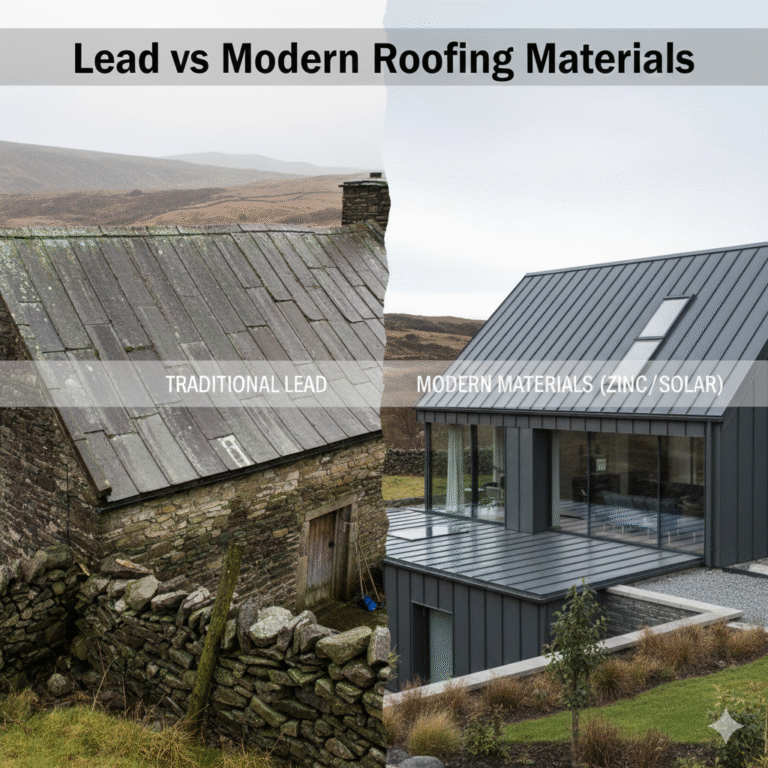
While most of Cumbria’s charm comes from its environment, the weather can be tough on homes. Proper roof design such qas steep pitches, durable materials like natural slate, and good ventilation helps protect homes from the county’s demanding conditions. Regular inspections, particularly after storms, are essential to prevent minor issues from escalating.
Roofs, in particular, face significant challenges:
Heavy rainfall can cause leaks, blocked gutters, damp lofts, and timber rot.
Wind exposure may loosen tiles, especially on older or exposed roofs.
Freeze-thaw cycles and snow can crack tiles, create ice dams, and add weight stress.
How Does Spring in Cumbria Affect Roofs?
Spring brings cool, wet weather and occasional late frosts. Roofs may experience leftover moisture from winter, making it a key time to inspect for leaks, check guttering, and ensure slates or tiles haven’t been dislodged by storms. This season also sets the stage for preventing moss or algae buildup before warmer months.
How Does Summer in Cumbria Affect Roofs?
Summer is generally mild, with intermittent rain. Dry spells provide the perfect opportunity for roof maintenance, such as clearing debris, repairing minor damage, and checking flashings. While rainfall continues, the season is less harsh, allowing homeowners to address issues without the urgency that winter storms demand.
How Does Autumn in Cumbria Affect Roofs?
Autumn brings heavier rainfall and stronger winds. Roofs are at higher risk of leaks, blocked valleys, overflowing gutters, and uplift on tiles or slates. This season is critical for preparing roofs for the winter months, as prolonged wet conditions can exacerbate minor damage if left unchecked.
How Does Winter in Cumbria Affect Roofs?
Winter is cool and wet in lowlands, with snow and frost more common on higher ground. Freeze-thaw cycles can crack tiles or slates, ice dams may form along eaves, and snow adds weight stress to older roofs. Strong winds can also loosen roof fixings, making inspections after storms particularly important.
How is the Weather of Cumbria?
The weather of Cumbria is highly variable, with frequent rainfall, strong winds, mild summers, and cold winters that bring frost and occasional snow in the fells. This mix of conditions creates the county’s lush valleys, misty lakes, and thriving woodlands, while also placing extra demands on homes, particularly roofs, which must withstand damp, frost, and wind throughout the year.
How Cumbria’s Weather Impacts Residential Roofs?
Cumbria’s variable and often harsh weather places significant demands on residential roofs. Persistent rainfall can lead to water ingress, damp lofts, and blocked gutters, while strong winds, particularly on exposed fells, coastal areas, and open farmland, can loosen tiles or slates and strain fixings. Over time, these conditions highlight how the local weather influences the durability and performance of roofs across the county.
Seasonal frost and snow add further stress, as freeze-thaw cycles may crack roofing materials and ice accumulation along eaves can create ice dams, forcing water back under tiles. Even modern roofs with durable materials require regular inspections and maintenance to cope with these challenges, ensuring long-term protection and structural integrity for Cumbrian homes, as explored in more detail when examining the impact of weather on roofs in the region.
What Are the Some Ways for Protecting Your Roof in Cumbria?
Here is how you can protect your Cumbrian home’s roofs:
Conduct annual roof inspections, ideally before and after winter.
Keep gutters, valleys, and downpipes clear of debris.
Ensure balanced loft insulation and ventilation to prevent condensation.
Repair loose or damaged slates promptly.
Even small preventative measures can significantly extend the life of your roof in Cumbria’s wet, windy, and cold climate.