If you own a property in Cumbria, it’s natural to wonder how long your roof will realistically last, especially with our frequent rain, strong winds, and occasional snow. Many homeowners only think about roof condition once a leak appears, but by then, damage is often already well advanced. An honest assessment of your roof’s remaining lifespan can help you plan ahead, avoid unexpected costs, and keep your home properly protected.
Roof age alone does not determine remaining lifespan
Cumbria’s weather accelerates wear on both coverings and structure
Honest assessments focus on condition, not replacement sales
Early intervention can add years or decades to a roof’s life
Below, we explain how roof lifespan is assessed in real-world conditions, what affects longevity in Cumbria, and how to tell whether your roof needs monitoring, repairs, or replacement.
What an Honest Roof Assessment Should Look At
A proper assessment focuses on performance and condition, not scare tactics.
1. Roofing Material and Typical Lifespan
Different roofing materials age in different ways:
Natural slate (common on Cumbrian stone cottages): Often lasts 80–100+ years if well maintained
Concrete tiles (post-war and modern homes): Typically 40–60 years
Clay tiles: 60–80 years, depending on exposure
Flat roofing systems: 15–30 years depending on the system and installation quality
A roofer should explain how your specific material behaves over time, not give a generic lifespan figure.
2. Condition of the Tiles or Slates
Key warning signs include:
Slipped, cracked, or delaminating slates
Excessive tile movement in windy areas
Thinning slate edges or surface erosion
Repeated small repairs in the same areas
A few damaged slates don’t mean your roof has failed, but widespread issues often suggest the roof is approaching the end of its serviceable life.
3. The Hidden Structure Beneath the Covering
An honest inspection goes beyond what you can see from the ground.
Internally, roofers should check:
Timbers for rot, sagging, or historic water damage
Underfelt or membrane condition
Nail fatigue, especially on older slate roofs
Signs of long-term condensation issues
In Cumbria, moisture trapped over time is one of the biggest threats to roof structure.
4. Flashings, Valleys, and Details
Many roofs “fail” not because the tiles are worn out, but because details around chimneys and junctions break down.
Common local issues include:
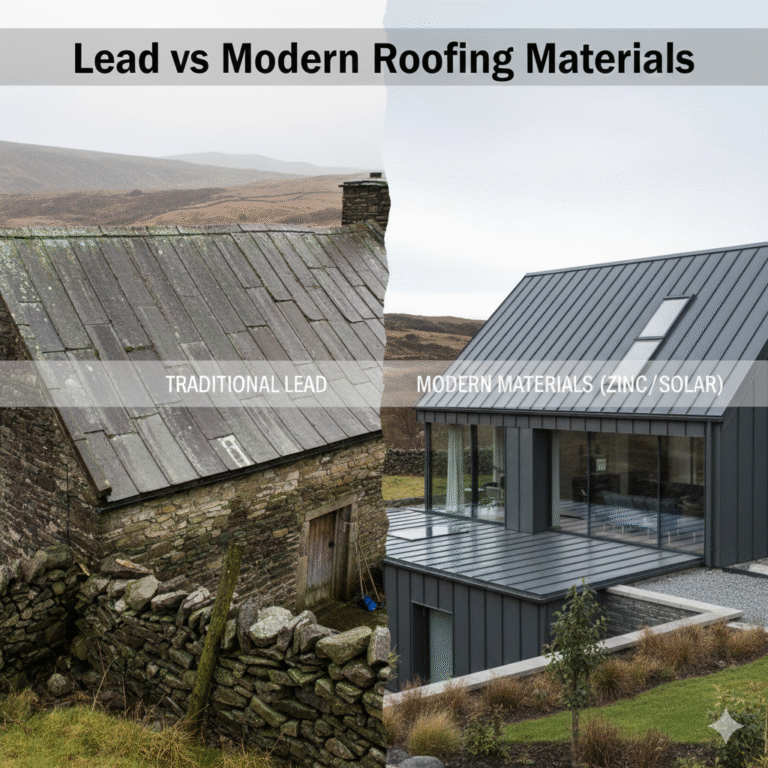
Lead flashing splits due to temperature changes
Valley blockages from moss and debris
Poorly repaired chimney junctions on older properties
These components often determine whether a roof can last another 5 years or another 25.
Red Flags That Suggest an Unreliable Assessment
Even the best homeowners can end up with a poor roofing assessment. There are many signs of a bad roofing job which you can catch. Be cautious if a roofer:
Only inspects from the ground
Pushes for full replacement without evidence
Won’t show photos or explain findings
Uses pressure tactics or “today-only” pricing
A trustworthy roofer explains what’s urgent, what can wait, and why.
Why Roof Lifespan Is Harder to Judge in Cumbria
Roofs in Cumbria face tougher conditions than many parts of the UK. High rainfall, driving winds from the coast and fells, and freeze–thaw cycles all accelerate wear.
Two slate roofs of the same age can perform very differently depending on:
Exposure to wind and rain
Roof pitch and drainage
Quality of original workmanship
Ongoing maintenance (or lack of it)
This is why age alone is never a reliable indicator of remaining roof life.
Can You Assess Your Roof Yourself?
You can spot early indicators, such as:
Visible slipped or missing tiles
Water staining in the loft
Daylight showing through the roof
Damp insulation or musty smells
However, many structural and moisture-related problems aren’t visible without a trained inspection, especially on older Cumbrian homes.
How Often Should Roofs Be Checked in Cumbria?
For most properties:
Every 2–3 years for routine checks
After major storms or heavy snowfall
Annually for older slate roofs or exposed locations
Regular inspections often extend roof life significantly by catching small issues early.
If you’re unsure how much life is left in your roof, a professional inspection can give you clarity without pressure. Westmorland Roofing provides clear, practical roof assessments for homeowners and landlords across Cumbria, helping you understand the true condition of your roof and your options going forward. Contact us for expert advice, a roof inspection, or a no-obligation quote when you’re ready.