Slate is a natural stone roofing material prized for its durability, timeless appearance, and excellent resistance to Cumbria’s heavy rainfall, frost, and strong winds. It can last 80–100+ years with minimal maintenance, making it ideal for heritage cottages, farmhouses, and exposed rural properties. Although heavier and more expensive upfront, slate provides unmatched longevity and low long-term upkeep.
Clay and concrete roof tiles are manufactured for versatility, offering a wide range of colours, shapes, and designs to suit modern or traditional homes. They are durable and weather-resistant, with clay tiles capable of lasting over 100 years and concrete tiles around 50–60 years, though moderate maintenance is required. Tiles are generally more affordable than natural slate, providing a balance of aesthetics, performance, and cost for homeowners in Cumbria.
When choosing between slate and roof tiles, the main difference lies in material and longevity. Slate, a natural stone, offers unmatched durability, a classic aesthetic, and can last 80–100+ years with minimal maintenance, making it ideal for heritage cottages and exposed properties. Roof tiles, made from clay or concrete, are manufactured for versatility and affordability, with clay tiles lasting up to 100 years and concrete around 50–60 years, offering a cost-effective alternative while still providing strong weather resistance for Cumbria’s challenging climate.
Choosing the right roofing material is one of the most important decisions for homeowners in Cumbria. With constant rainfall, strong coastal winds, frost in elevated areas, and moss growth in damp climates, your roof needs to be durable, weather-resistant, and low-maintenance. Many property owners face a common question: should I choose natural slate or roof tiles? While they may look similar and perform similar functions, there are key differences that can affect your home’s longevity, aesthetics, and cost.
What Is the Difference Between Roof Slate and Roof Tiles?
The primary distinction is that roof slate is a natural product, formed over centuries from metamorphic rock, while roof tiles are manufactured, typically from clay or concrete.
Natural Slate: Offers a timeless, authentic appearance and is especially suited to historic cottages, farmhouses, and heritage properties. It can last 80–100+ years or more with proper maintenance.
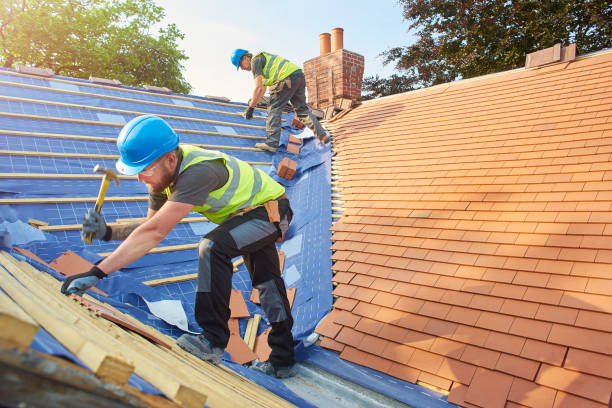
Clay or Concrete Tiles: Manufactured in kilns, these tiles are versatile and available in multiple colours and shapes. Lifespan varies: concrete tiles generally last 50–60 years, while high-quality clay tiles can exceed 100 years.
Artificial or man-made slate is also available, but while it mimics the appearance of natural slate, it generally has a shorter lifespan of 50–60 years, and may require multiple replacements over the life of a property.
How Do Slate and Tiles Compare in Price?
Cost is a major consideration:
Natural slate: £40–£60 per m² for premium Welsh Slate; imported Spanish, Chinese, or Brazilian slate is slightly cheaper at £25–£30 per m².
Artificial slate: Around £1 per slate, manufactured locally for lower cost.
Clay or concrete tiles: Generally cheaper than natural slate; a full roof replacement may cost up to £10,000 depending on scaffolding, cement beds, and tile rarity.
While slate is more expensive upfront, its durability and low maintenance often make it more cost-effective over the long term. Tiles provide a more budget-friendly option with good durability.
What Are the Pros and Cons of Roof Slate?
Pros:
Extremely durable and long-lasting (80–100+ years)
Fireproof and weather-resistant, ideal for Cumbria’s rainfall, frost, and winds
Low maintenance
Timeless aesthetic, perfect for heritage and traditional homes
Cons:
High upfront cost
Heavy, requiring strong roof structure
Professional installation needed
What Are the Pros and Cons of Roof Tiles (Clay or Concrete)
Pros:
Versatile in colour and style
Durable, particularly clay tiles
Lower initial cost than natural slate
Weather-resistant and suitable for modern and rural homes
Cons:
Concrete tiles have shorter lifespan (50–60 years)
Heavier than some alternatives, requiring solid roof support
Moderate maintenance needed to prevent moss or algae growth
How Do Lifespan and Maintenance Compare in Cumbria?
Cumbria’s climate makes longevity and maintenance key:
Slate: Lasts 80–100+ years; highly resistant to heavy rainfall, frost, wind, and coastal exposure. Minimal maintenance needed, making it ideal for exposed cottages and farmhouses.
Clay Tiles: Can exceed 100 years for high-quality clay, with moderate maintenance.
Concrete Tiles: Last around 50–60 years; may require more frequent inspections in harsh conditions.
Artificial Slate: 50–60 years, but replacement may be needed sooner under Cumbria’s wet and windy climate.
Which Roof Material Works Best for Different Property Types in Cumbria?
Heritage or high-end cottages: Natural slate provides unmatched longevity and authentic aesthetics.
Modern family homes: Clay or concrete tiles are versatile, durable, and more budget-friendly.
Rural or coastal properties: Metal roofing or clay tiles offer strong weather resistance; artificial slate can be considered for smaller projects.
Budget-conscious homeowners or flat-roof extensions: EPDM or composite tiles provide affordable protection, though lifespan may be shorter.
How Do Aesthetics and Environmental Impact Compare?
Aesthetic Impact:
Slate offers a textured, timeless look ideal for traditional Cumbrian cottages, while clay and concrete tiles allow more colour and design flexibility for modern homes.
Environmental Impact:
Natural slate, clay, and concrete are sustainable, recyclable, and long-lasting, reducing waste. Artificial slate and metal roofs may incorporate recycled materials, while shorter-lived options like concrete or composite tiles may require replacements more frequently, increasing environmental impact.
Which Should You Choose: Slate or Tiles?
The choice ultimately depends on budget, property type, climate exposure, and desired aesthetics.
Slate: Best for long-term investment, heritage homes, and exposed locations.
Clay or Concrete Tiles: Great for mid-range budgets, versatile in style, and durable.
Artificial Slate: Consider for budget projects or small extensions, but expect shorter lifespan.
A professional assessment from a local roofer can ensure the material chosen is suitable for Cumbria’s challenging conditions, protecting your home for decades.
Westmorland Roofing has over 15 years of experience helping homeowners across Carlisle, Kendal, Penrith, Keswick, Windermere, Ambleside, Barrow-in-Furness, Whitehaven, and Workington select the best roofing materials. Whether you are considering natural slate, clay or concrete tiles, or artificial slate, we provide honest advice, professional installation, and long-term support to ensure your roof looks great, lasts for decades, and stands up to Cumbria’s weather.
Get in touch with Westmorland Roofing today to discuss the best roofing material for your home, book a free inspection, or request a quote.