In Cumbria, homes and businesses feature a wide range of roof types, which can be divided into roof shapes and roof materials. Roof shapes define how the roof is built, while roof materials describe what the roof is covered with; both influence durability, drainage, insulation, and long-term maintenance.
Common roof shapes include gable or duo-pitch roofs, hip or hipped roofs, T-shaped roofs, mono-pitch or skillion roofs, mansard roofs, dormer roofs, barrel vault roofs, waveform roofs, flat roofs, gambrel roofs, and sawtooth roofs. Common roof materials include slate, clay or concrete tiles, thatch, metal (steel or aluminium), and flat roof materials such as GRP, EPDM, or reinforced bitumen.
Here are the roof types used in Cumbria based upon materials and shapes:
- Gable / Duo Pitch Roof: A gable roof has two sloping sides that meet at a ridge, shedding rain effectively; some homes feature a double gable for extra space or aesthetic appeal.
- Hip / Hipped Roof: A hip roof has four sides sloping down to the walls, offering stability against strong winds and snow, making it ideal for exposed areas.
- T-Shaped Roof: A T-shaped roof has two intersecting sections forming a T, with valleys that require careful weatherproofing for drainage.
- Mono-Pitch / Skillion Roof: A mono-pitch roof has a single sloping surface, often used on extensions, garages, sheds, or outbuildings.
- Mansard Roof: A mansard roof has a double slope on all four sides with dormer windows, offering extra space while needing careful ventilation and weatherproofing.
- Dormer Roof: A dormer has a smaller roof structure housing a window, adding space and light to loft areas within an existing roof.
- Barrel Vault Roof: A barrel vault roof has a continuous arched shape, often metal-covered, used on larger buildings for a unique curved design.
- Waveform Roof: A waveform roof has a wavy profile, which is visually striking but requires careful pitch and drainage to prevent pooling.
- Flat Roof: A flat roof has little to no pitch, needing proper drainage; popular for modern homes, urban buildings, and cost-effective housing.
- Gambrel Roof: A gambrel roof has two slopes on each side, similar to barns, with ends resembling a hipped roof for extra attic space.
- Sawtooth Roof: A sawtooth roof has ridges with dual pitches, originally for natural light in industrial buildings, now useful for solar panels and light management.
- Slate Roof: A slate roof has durable, traditional slates perfect for historic cottages, needing occasional checks for broken tiles.
- Tile Roof (Clay or Concrete): A tile roof has clay or concrete tiles that are weather-resistant but may erode faster in coastal areas.
- Thatched Roof: A thatched roof has a straw covering, offering heritage charm while requiring careful moisture management.
- Metal Roof (Steel or Aluminium): A metal roof has lightweight, strong panels that resist wind, rain, and snow.
- Asphalt Shingles: Asphalt shingles are lightweight and affordable tiles made from fibreglass and bitumen, mainly used on sheds, garages, and some residential roofs. They install easily but are less suitable for Cumbria’s heavy rainfall.
- Wood Shingles / Wood Shakes: Wood shingles are thin timber tiles providing a rustic, natural appearance. They suit heritage-style homes but need regular maintenance in wet climates like Cumbria.
- Synthetic Roof Tiles: Synthetic tiles are engineered to mimic slate, clay, or wood while remaining lightweight and durable. They are ideal for modern builds or homes needing reduced structural load.
- Concrete Roof Tiles: Concrete tiles are heavy, strong, and available in many styles and colours. They perform well in harsh weather but require a reinforced roof structure due to their weight.
-
Patterned Roof Tiles: Patterned tiles feature decorative textures or shapes that add visual character. They are used on heritage-inspired homes or designs aiming for added architectural interest.
Gable / Duo Pitch Roof
This is a classic roof shape and one of the most common you’ll find throughout the UK. A gable roof has two equal sloping sides that meet at a ridge, forming a triangular gable at each end. This design is standard on new build homes and historic cottages alike, providing an effective way to shed rain and prevent water pooling, ideal for Cumbria’s wet climate.
Some homes feature a double gable roof, popularised in the Georgian era when timber spans were limited. Today, double gables are often included for extra space or aesthetic appeal.
Hip / Hipped Roof
A hip roof has four sides, all sloping downwards to the walls, forming a shape with no vertical ends. This design is more stable than a gable roof and is well-suited to areas exposed to high winds and heavy snow, such as coastal or elevated regions of Cumbria.
Hip roofs are commonly seen on larger or higher-end homes because they require more materials and complex construction, but they provide excellent durability and structural integrity.
T-Shaped Roof
A T-shaped roof forms when two sections of pitched roof intersect at right angles, creating a T layout. The intersection creates valleys where water naturally collects, so these areas must be carefully weatherproofed, often with lead or GRP.
This style is versatile, combining gable and hip elements depending on design, and is commonly used for homes with extensions or complex layouts.
Mono-Pitch / Skillion Roof
A mono-pitch roof has a single sloping surface, often extending from the main building to cover garages, sheds, or small extensions.
This simple design allows quick water runoff and is easy to construct, making it a popular choice for modern extensions or outbuildings in both urban and rural areas of Cumbria.
Mansard Roof
A mansard roof features a double slope on all four sides, with the lower slope often incorporating dormer windows. This design creates additional attic or loft space, making it ideal for conversions or larger homes.
Named after French architect François Mansart, mansard roofs require careful weatherproofing and proper ventilation, especially at the change in pitch, to prevent leaks in wet climates like Cumbria.
Dormer Roof
A dormer is a smaller roofed structure built into a larger roof to house a window, adding light and space to attic areas.
Dormers are often added retrospectively during loft conversions and are still chosen for their ability to increase usable space without altering the main roofline drastically.
Barrel Vault Roof
A barrel vault roof has a continuous arched or semi-cylindrical shape, often covered with metal.
This design is increasingly popular for larger new-build structures, offering a distinctive curved profile and spacious interior while requiring specialist installation for waterproofing.
Waveform Roof
A waveform roof features a wavy profile, creating a visually striking design.
The undulating shape can be challenging for drainage, so the pitch and construction must be carefully planned to avoid water pooling and potential damage, particularly in regions with high rainfall.
Flat Roof
A flat roof has little to no pitch, usually no greater than 10°, and requires a fall to ensure water drains properly.
Flat roofs were historically used for commercial buildings but are now popular in modern housing and urban developments, offering a low-cost, space-efficient solution when designed with waterproofing and drainage in mind.
Gambrel Roof
A gambrel roof has two slopes on each side, with the lower slope steeper than the upper, creating additional attic space.
This style is often seen on barns or rural properties and resembles a hipped roof at the ends, providing a practical yet traditional appearance.
Sawtooth Roof
A sawtooth roof consists of a series of ridges with dual pitches, originally designed in industrial buildings to allow natural light while protecting from direct sun.
Sawtooth designs are now being reused for modern buildings, particularly where solar panels or natural lighting are desired.
Slate Roof
A slate roof has durable, flat stone tiles, traditional on historic cottages and older homes throughout Cumbria.
Slate offers long-lasting protection but requires periodic inspection and maintenance to replace any broken or slipped slates.
Tile Roof (Clay or Concrete)
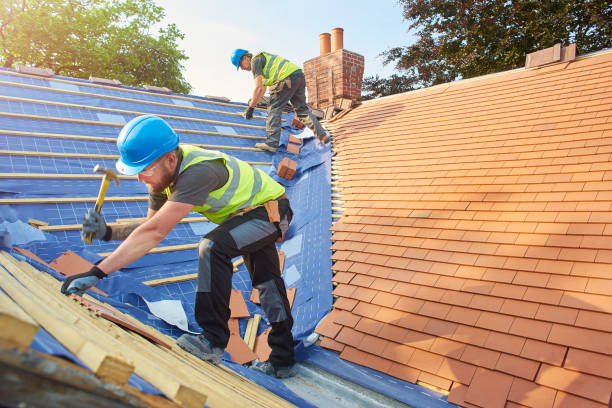
A tile roof is made from clay or concrete tiles, providing a robust, weather-resistant covering. Tiles are popular in residential properties and come in a variety of colours and styles, though coastal exposure can accelerate erosion.
Clay Tiles
Clay tiles are traditional, long-lasting, and offer a natural, warm aesthetic. They are highly resistant to UV and fire, making them ideal for homes where appearance and longevity matter.
Concrete Tiles
Concrete tiles are heavy, robust roofing tiles available in numerous profiles and colours. They withstand harsh UK weather, making them a common choice for modern homes, although their weight requires solid roof structure support.
Thatched Roof
A thatched roof is constructed from natural straw or reed, offering a heritage aesthetic.
Thatched roofs require careful maintenance, particularly in damp climates like Cumbria, to prevent moisture damage and decay.
Metal Roof (Steel or Aluminium)
A metal roof consists of lightweight, strong panels that resist wind, rain, and snow. Increasingly popular on modern homes and extensions, metal roofing provides long-lasting performance with minimal maintenance.
Asphalt Shingles
Asphalt shingles are lightweight, affordable tiles made from fibreglass and bitumen. They offer simple installation and are mainly used on sheds, garages, and some residential properties.
They are less common in Cumbria due to high rainfall but remain an option for budget builds or low-pitch roofs where allowed.
Wood Shingles / Wood Shakes
Wood shingles are thin, natural timber tiles that give a warm, rustic cottage appearance.
They require regular upkeep in wet climates like Cumbria and are mostly seen on heritage or eco-focused properties.
Synthetic Roof Tiles
Synthetic tiles are lightweight, durable tiles made from engineered materials that mimic slate, clay, or wood.
They are increasingly used on modern homes and renovations where a lighter structural load is needed.
Patterned Roof Tiles
Patterned tiles feature decorative ridges, shapes, or embossed designs for added visual interest.
They are used selectively on homes aiming for architectural character or heritage-style detailing.
Other Roof Styles Seen in the UK
While many Cumbrian homes feature practical roof designs like gable, hip, or flat roofs, there are several other roof styles found across the UK, often for aesthetic, heritage, or modern architectural purposes.
These styles are less common in Cumbria but can occasionally be seen in modern builds, heritage properties, or unique architectural projects.
-
Curved Roof: A curved roof is a continuous curved roof, often made of metal. It is used for modern buildings.
-
Front Gable Roof: A front gable roof is a roof with the ridge aligned with the property entrance. Common in Colonial-style and modern homes.
-
Combination Roof: A combination roof is a roof that blends multiple roof types. It creates unique designs and aesthetic appeal.
-
Open Gable Roof: An open gable roof is a gable roof where the ends meet the walls directly. It provides a distinctive profile.
-
M-Shaped Roof: An M-shaped roof is a double gable forming an “M” shape. Often used for complex building layouts.
-
Clerestory Roof: A clerestory roof is a roof with elevated interior walls and windows. It maximizes natural light inside the building.
-
Box Gable Roof: A box gable roof is a gable roof with boxed-off triangular extensions. Offers extra weather protection.
-
Cross Gabled Roof: A cross gabled roof is a roof with multiple gable ridges intersecting at angles. Suitable for complex property layouts.
-
Cross Hipped Roof: A cross hipped roof is a roof with perpendicular hip sections on L- or T-shaped buildings. Adds structural stability.
-
Saltbox Roof: A saltbox roof is an asymmetrical roof with one long slope. Often seen on heritage homes.
-
Bonnet Roof: A bonnet roof is a four-sided roof with a steep upper slope and gentler lower slope. Also called a reversed mansard.
-
Pyramid Hip Roof: A pyramid hip roof is a hip roof on a square base forming a pyramid shape. Often used on smaller structures.
-
Hexagonal Gazebo Roof: A hexagonal gazebo roof is a roof with six triangular panels. Commonly used in garden gazebos.
-
Dome Roof: A dome roof is a curved, dome-shaped roof. Found on historical or monumental buildings.
-
Butterfly Roof: A butterfly roof is an inverted V-shaped roof. Popular in modern architecture.
How to Choose the Right Roof for Cumbrian Homes?
Choosing the right roof in Cumbria involves considering the region’s unique weather, building types, and property requirements. Homeowners must balance durability, maintenance, aesthetics, and suitability for local conditions to ensure long-term protection and comfort.
How to Choose the Right Roof Shape?
-
Weather Exposure: Steep-pitched roofs like gable or mansard help shed heavy rainfall and snow common in Cumbria.
-
Wind Resistance: Hip roofs and gambrel designs offer extra stability in coastal or elevated areas prone to strong winds.
-
Space Needs: Mansard, dormer, and gambrel roofs provide additional attic or loft space for conversions.
-
Property Layout: T-shaped or L-shaped roofs are ideal for homes with extensions or complex floorplans.
Which Roof Type Based on Shape is Best for Cumbria?
When choosing a roof shape for Cumbria, the key factors are heavy rainfall, strong winds, snow, and the property’s location. Gable roofs are widely used for their simple design and effective water runoff, making them suitable for most homes. Hip roofs are ideal for exposed or coastal areas due to their stability against wind and weather.
Mansard and dormer roofs work well when extra attic space is needed, while mono-pitch or skillion roofs suit small extensions and modern additions. For complex layouts or larger homes, T-shaped roofs provide flexibility. Ultimately, the best shape balances local weather resilience, property type, and the homeowner’s space requirements.
How to Select the Best Roofing Material?
-
Durability: Slate, metal, and quality tiles withstand Cumbria’s constant rain, wind, and occasional snow.
-
Maintenance: Choose materials like metal or concrete tiles for low-maintenance options; thatch and slate need periodic care.
-
Aesthetic & Heritage: Thatched or slate roofs suit historic cottages, while clay tiles and metal panels work for modern designs.
-
Drainage & Waterproofing: Flat roofs must use proper GRP, EPDM, or bitumen materials to prevent leaks in high-rainfall areas.
Which Roof Type Based on Material is Best for Cumbria?
When selecting a roof material for Cumbria, durability, weather resistance, and maintenance are the main considerations due to heavy rain, strong winds, and coastal exposure. Slate roofs are ideal for historic cottages and traditional homes, offering long-lasting protection and classic aesthetics.
Clay or concrete tiles are robust and versatile, suitable for most residential properties. Metal roofs (steel or aluminium) provide lightweight, strong, and low-maintenance options, especially for modern builds or exposed locations.
hatched roofs suit heritage properties but require careful upkeep, while flat roof materials like GRP, EPDM, or reinforced bitumen are essential for modern extensions, ensuring waterproofing in high-rainfall areas. Choosing the right material depends on property style, maintenance preference, and the local environment.
You can get expert roofing services for all types of roofs in Cumbria from Westmorland Roofing. Whether it’s slate, clay or concrete tiles, metal, thatch, or modern flat roofs, our skilled team provides repairs, replacements, and new installations with precision and care. Trust Westmorland Roofing to keep your home safe, weatherproof, and looking its best, contact us today for a free consultation!